

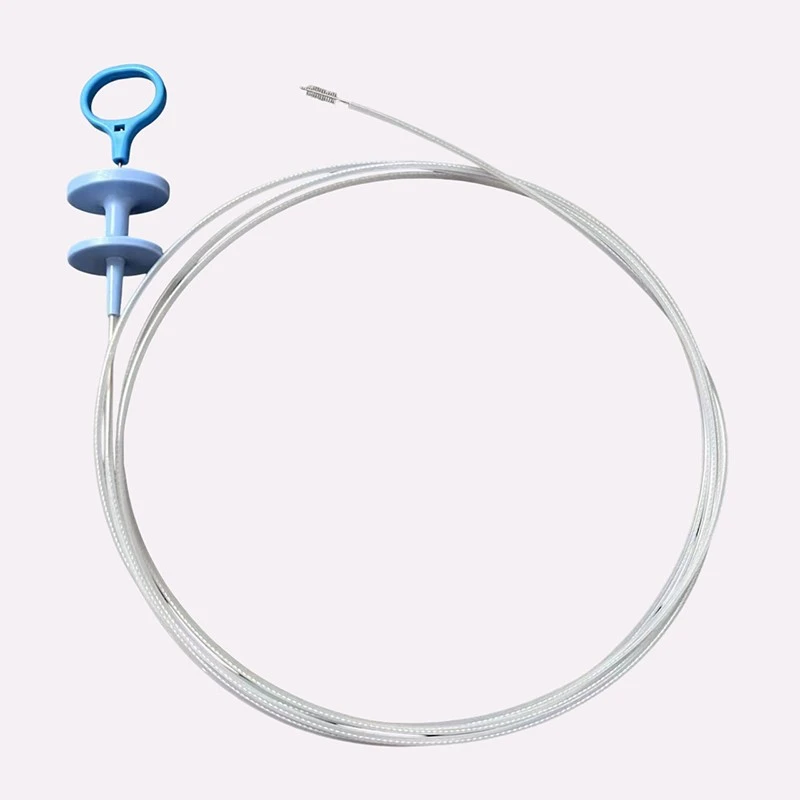
Endoscopic stone removal with a basket is a common and effective minimally invasive procedure used to treat various types of stones, such as gallstones and urinary stones. As a leading supplier of Endoscopic Stone Removal Baskets, I understand the importance of not only providing high - quality medical devices but also ensuring patients have a comprehensive understanding of the post - procedure care. This blog aims to outline the key points that patients should pay attention to after endoscopic stone removal with a basket.
1. Post - procedure Monitoring
Immediately after the endoscopic stone removal with a basket, patients will be closely monitored in the recovery area. Vital signs such as heart rate, blood pressure, respiratory rate, and oxygen saturation will be regularly checked. This is crucial to detect any potential complications early on. For example, a sudden drop in blood pressure might indicate internal bleeding, while an abnormal heart rate could be a sign of stress or a more serious cardiac issue.
Patients may also experience some discomfort or pain at the site where the endoscope was inserted. Mild pain is normal, but severe or persistent pain should be reported to the medical staff immediately. In some cases, pain could be a sign of perforation of the digestive or urinary tract, which requires urgent medical attention.
2. Diet Adjustment
The diet after endoscopic stone removal is of great significance. In the first few hours after the procedure, patients are usually advised to start with clear liquids such as water, broth, and apple juice. This helps to gradually re - introduce food into the digestive system without overloading it. As the patient's condition improves, they can progress to a soft diet, including foods like mashed potatoes, yogurt, and cooked vegetables.
Avoiding high - fat, high - cholesterol, and spicy foods is essential in the initial recovery period. These types of foods can stimulate the digestive system and may cause discomfort or even lead to the recurrence of stones. For example, high - fat foods can trigger the contraction of the gallbladder, which may be still in a sensitive state after the stone removal.
It is also important to drink plenty of water. Adequate hydration helps to flush out any remaining stone fragments and reduces the risk of new stone formation. Patients should aim to drink at least 1.5 - 2 liters of water per day.
3. Activity and Rest
Rest is crucial in the early stages of recovery. Patients should avoid strenuous activities such as heavy lifting, intense exercise, and long - distance travel for a few days after the procedure. This allows the body to heal and reduces the risk of complications such as bleeding or damage to the treated area.
However, light activities such as short walks can be beneficial. Walking helps to improve blood circulation and prevent the formation of blood clots. It also aids in the normal functioning of the digestive system. As the patient recovers, they can gradually increase their level of activity, but it is important to listen to their body and not overdo it.
4. Medication Management
Patients may be prescribed medications after endoscopic stone removal. These medications can include painkillers to relieve discomfort, antibiotics to prevent infection, and medications to promote the normal functioning of the digestive or urinary system.
It is essential for patients to take their medications as prescribed by the doctor. Skipping doses or stopping the medication prematurely can lead to ineffective treatment or even the recurrence of the problem. For example, if antibiotics are not taken for the full course, bacteria may not be completely eradicated, increasing the risk of infection.
Patients should also be aware of the potential side effects of the medications. If they experience any unusual symptoms such as allergic reactions, nausea, or dizziness, they should contact their doctor immediately.
5. Wound Care (if applicable)
In some cases, there may be a small incision or wound at the site where the endoscope was inserted. Proper wound care is necessary to prevent infection. Patients should keep the wound clean and dry. They may be instructed to apply an antiseptic solution and cover the wound with a sterile dressing.

Any signs of infection, such as redness, swelling, warmth, or discharge from the wound, should be reported to the doctor promptly. Infections can delay the healing process and may lead to more serious complications if not treated in time.
6. Follow - up Appointments
Regular follow - up appointments are an important part of the post - procedure care. These appointments allow the doctor to monitor the patient's recovery progress, check for any remaining stone fragments, and detect any potential complications.
During the follow - up visits, the doctor may perform various tests, such as ultrasound, CT scan, or blood and urine tests. These tests can provide valuable information about the patient's condition and help the doctor make appropriate treatment decisions.
Patients should not miss their follow - up appointments. Failure to do so may result in undetected problems that could worsen over time.
7. Use of Related Medical Consumables
In addition to the Endoscopic Stone Removal Basket, there are other medical consumables that may be used in the endoscopic treatment process. For example, the Endoscopic Spray Catheter can be used to deliver medications or contrast agents during the procedure. The Endoscopic Cytology Brush is useful for collecting tissue samples for further examination. And the Disposable Endoscopic Injection Needle can be employed for injecting substances into the target area.
As a supplier of high - quality Endoscopic Stone Removal Baskets, we also offer a wide range of these related medical consumables. Our products are designed to meet the highest standards of quality and safety, ensuring the best possible outcomes for patients.
Conclusion
Endoscopic stone removal with a basket is a safe and effective treatment method, but proper post - procedure care is essential for a successful recovery. Patients should pay close attention to post - procedure monitoring, diet adjustment, activity and rest, medication management, wound care, and follow - up appointments. By following these guidelines, patients can reduce the risk of complications and improve their overall health.
If you are a medical institution or professional interested in our Endoscopic Stone Removal Baskets or other related medical consumables, we welcome you to contact us for procurement and negotiation. We are committed to providing you with the best products and services to meet your clinical needs.
References
- Smith, J. K., & Johnson, M. L. (2018). Minimally Invasive Endoscopic Stone Removal: A Review. Journal of Endoscopic Surgery, 25(3), 123 - 135.
- Brown, A. R., & Williams, C. D. (2019). Post - Procedure Care after Endoscopic Interventions. Medical Journal of Gastroenterology, 32(4), 201 - 210.
- Green, S. E., & Miller, R. F. (2020). Diet and Lifestyle Modifications after Endoscopic Stone Removal. Nutrition and Digestive Health, 18(2), 78 - 85.