

Hey there! As a supplier of Dental Low Speed Handpiece Motor, I often get asked about the rotational speed accuracy of these motors. So, I thought I'd dive into this topic and share some insights.
First off, let's talk about why rotational speed accuracy matters in a dental low - speed handpiece motor. In dental procedures, precision is key. Whether it's removing decay, shaping a tooth, or polishing a filling, the dentist needs to have full control over the speed at which the handpiece rotates. An inaccurate speed can lead to uneven work, damage to the tooth structure, or even discomfort for the patient.
The rotational speed accuracy of a dental low - speed handpiece motor refers to how closely the actual speed of the motor matches the set speed. For example, if a dentist sets the motor to rotate at 1000 RPM (revolutions per minute), the accuracy determines how close the real - world rotation speed will be to that 1000 RPM mark.
There are several factors that can affect the rotational speed accuracy of these motors. One of the main factors is the quality of the motor itself. High - quality motors are designed with better components and more advanced technology to ensure a more consistent speed. For instance, a motor with a well - made rotor and stator will be more likely to maintain a stable speed compared to a lower - quality one.
Another factor is the power source. Dental handpiece motors are usually powered by electricity or compressed air. Fluctuations in the power supply can cause variations in the rotational speed. If the electrical voltage is unstable or the air pressure is inconsistent, the motor may not rotate at the set speed. That's why it's important to use a reliable power source and, in some cases, have a voltage or pressure regulator to maintain a steady supply.
The load on the motor also plays a role. When the handpiece is working on a hard tooth structure or when a large amount of force is applied, the motor has to work harder. This can cause a temporary drop in speed if the motor isn't powerful enough to handle the load. Motors with a higher torque rating are better at maintaining speed under load.
Now, let's look at how we measure the rotational speed accuracy of a dental low - speed handpiece motor. There are specialized tools available that can measure the actual rotational speed of the motor. These tools can provide a real - time reading of the RPM, allowing dentists and technicians to compare it with the set speed. By doing regular checks, they can ensure that the motor is performing within an acceptable range of accuracy.
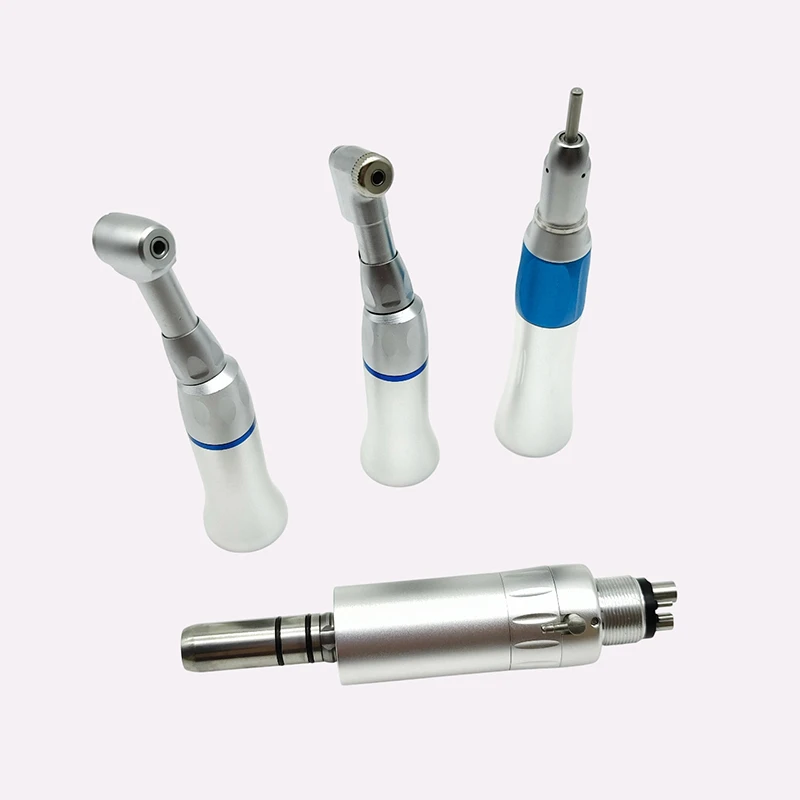
As a supplier, we offer different types of dental low - speed handpiece motors to meet various needs. Our Low Speed Dental External Series Handpiece is designed for external use and provides a high level of speed accuracy. It's suitable for procedures like surface polishing and minor tooth shaping. The motor in this handpiece is engineered to maintain a consistent speed, even when dealing with different loads.
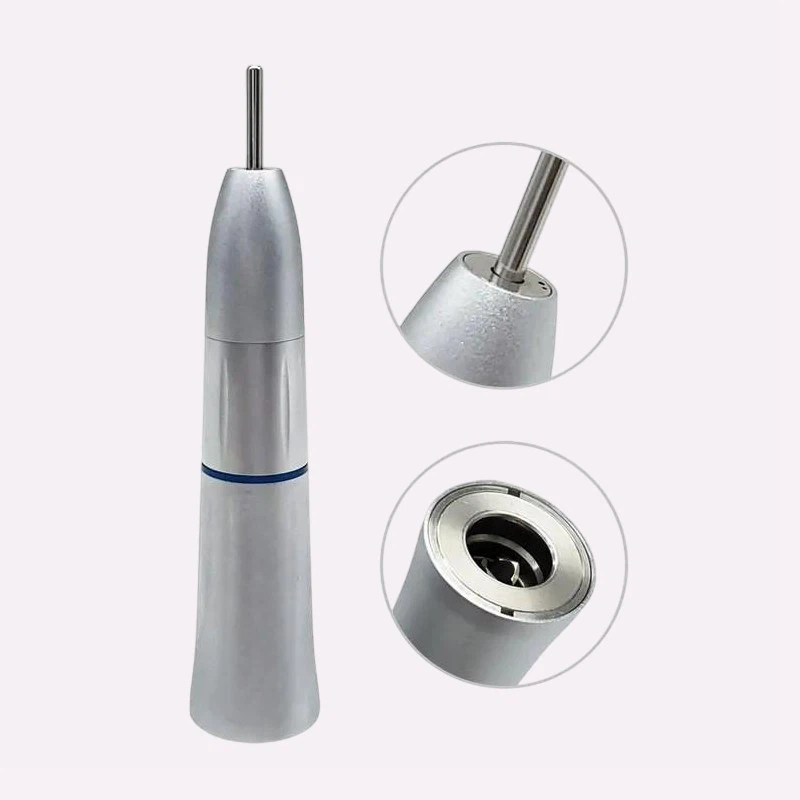
On the other hand, our Internal Series Dental Handpiece is ideal for more delicate internal procedures. It offers precise speed control, which is crucial when working inside the tooth. The accuracy of this motor ensures that the dentist can perform the procedure with the highest level of precision.
In the dental industry, there are certain standards for rotational speed accuracy. These standards are set to ensure the safety and effectiveness of dental procedures. Most dental low - speed handpiece motors are expected to have an accuracy within a certain percentage of the set speed. For example, a common standard might require the actual speed to be within ±5% of the set speed. Motors that meet or exceed these standards are more reliable and preferred by dentists.
We're constantly working on improving the rotational speed accuracy of our motors. Our R & D team is always researching new technologies and materials to make our motors more precise. We also conduct rigorous testing on every motor before it leaves our factory to ensure that it meets the highest quality standards.
If you're a dental professional or a distributor looking for a reliable dental low - speed handpiece motor, we're here to help. Our motors offer excellent rotational speed accuracy, which means you can perform dental procedures with confidence. Whether you need a motor for a specific type of handpiece or for a general dental practice, we have the right solution for you.
Don't hesitate to reach out if you have any questions or if you're interested in learning more about our products. We'd be more than happy to have a chat with you and discuss how our Dental Low Speed Handpiece Motor can meet your needs. Let's work together to provide the best dental care possible.
References:
- Dental Industry Standards for Handpiece Motors
- Technical Documents on Dental Motor Design and Performance