

Arthritis is a prevalent and often debilitating condition that affects millions of people worldwide. Characterized by joint inflammation, pain, stiffness, and reduced mobility, arthritis can significantly impact a person's quality of life. In the quest for effective arthritis treatment, various approaches have been explored, including medications, physical therapy, and in some cases, surgical interventions. One treatment option that has gained increasing attention is the use of brace orthoses. As a supplier of high - quality brace orthoses, I am well - positioned to discuss the potential of these devices in arthritis treatment.
Understanding Arthritis
Before delving into the role of brace orthoses in arthritis treatment, it's essential to understand the different types of arthritis. The two most common forms are osteoarthritis (OA) and rheumatoid arthritis (RA). Osteoarthritis is a degenerative joint disease that occurs when the protective cartilage that cushions the ends of bones wears down over time. It commonly affects weight - bearing joints such as the knees, hips, and spine, as well as the hands. Rheumatoid arthritis, on the other hand, is an autoimmune disorder where the body's immune system mistakenly attacks the joints, causing inflammation and damage. It can affect multiple joints simultaneously and may also have systemic effects on the body.
The symptoms of arthritis can vary from mild to severe and may include pain, swelling, redness, warmth in the joints, and limited range of motion. These symptoms can make simple daily activities such as walking, dressing, and gripping objects challenging.
How Brace Orthoses Work
Brace orthoses are medical devices designed to support, align, and immobilize joints or body parts. They work by providing external support to the affected joint, which can help to reduce stress on the joint, improve joint stability, and alleviate pain. There are different types of brace orthoses available, each designed for specific joints and types of arthritis.
For example, in the case of knee arthritis, a knee brace can help to redistribute the weight away from the damaged part of the joint, reducing pressure and pain. A knee brace may also provide support to the ligaments around the knee, improving joint stability and preventing further damage.
In the case of spinal arthritis, such as osteoarthritis of the spine or ankylosing spondylitis, a Medical Lumbar Thoracolumbar Sacral Support Orthosis can be used. This type of brace provides support to the lower back, thoracic, and sacral regions of the spine. It helps to maintain proper spinal alignment, reduce pressure on the affected vertebrae, and alleviate pain. By providing support to the muscles and ligaments of the spine, it can also improve posture and reduce the risk of further spinal degeneration.

Benefits of Using Brace Orthoses for Arthritis Treatment
- Pain Relief: One of the primary benefits of using a brace orthosis for arthritis is pain relief. By providing support to the affected joint and reducing stress on the joint, the brace can help to alleviate pain. This can make it easier for patients to perform daily activities and improve their overall quality of life.
- Improved Joint Function: Brace orthoses can also help to improve joint function. By providing stability to the joint, they can allow patients to move more freely and with less pain. This can lead to an improvement in range of motion and strength in the affected joint.
- Delayed Progression of Arthritis: In some cases, using a brace orthosis may help to delay the progression of arthritis. By reducing stress on the joint and providing support, the brace can help to prevent further damage to the joint cartilage and other structures. This can potentially slow down the degenerative process and postpone the need for more invasive treatments such as joint replacement surgery.
- Non - Invasive Treatment Option: Unlike surgical interventions, using a brace orthosis is a non - invasive treatment option. It does not require any incisions or anesthesia, and there is no recovery time associated with it. This makes it a more attractive option for many patients, especially those who are not suitable candidates for surgery or who prefer to avoid surgical procedures.
Types of Brace Orthoses for Different Joints
- Knee Braces: As mentioned earlier, knee braces are commonly used for knee arthritis. There are different types of knee braces available, including unloader braces, which are designed to shift the weight away from the damaged part of the knee joint; support braces, which provide general support to the knee; and prophylactic braces, which are used to prevent knee injuries.
- Ankle Braces: Ankle arthritis can cause pain and instability in the ankle joint. Ankle braces can help to provide support to the ankle, reduce pain, and improve stability. They can also help to prevent further damage to the ankle joint.
- Wrist and Hand Braces: Arthritis in the wrists and hands can make it difficult to perform fine motor tasks. Wrist and hand braces can provide support to the affected joints, reduce pain, and improve grip strength. They can also help to prevent deformities in the hands.
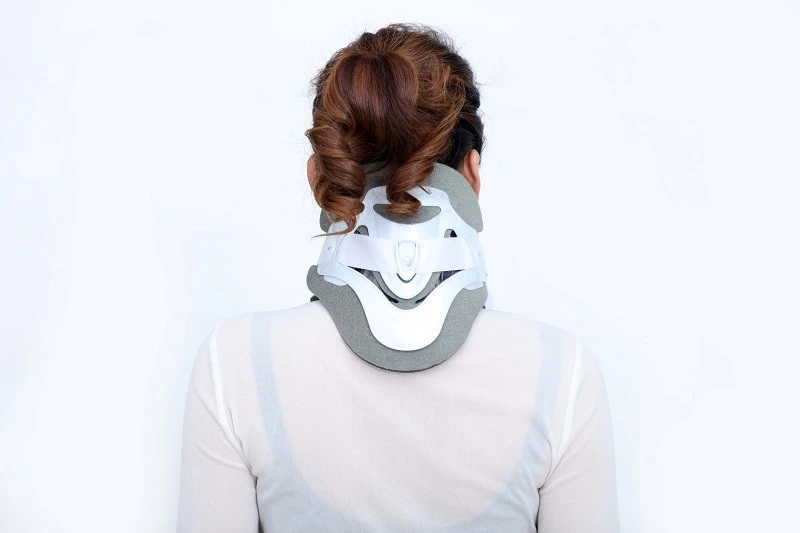
- Cervical Braces: For arthritis in the neck, such as cervical spondylosis, a Enhanced Adjustable Cervical Collar Support or a Enhanced Adjustable Cervical Thoracic Orthosis can be used. These braces provide support to the neck and upper spine, reduce stress on the cervical vertebrae, and alleviate pain. They can also help to improve posture and prevent further neck problems.
Considerations When Using Brace Orthoses
While brace orthoses can be an effective treatment option for arthritis, there are some considerations to keep in mind.
- Proper Fitting: It is crucial to ensure that the brace orthosis fits properly. A poorly fitting brace may not provide the necessary support and may even cause discomfort or further damage to the joint. It is recommended to have the brace fitted by a healthcare professional, such as an orthotist or a physical therapist.
- Compliance: Patients need to be compliant with wearing the brace as recommended. Some patients may find the brace uncomfortable or restrictive and may be tempted to remove it. However, for the brace to be effective, it needs to be worn consistently.
- Combination with Other Treatments: Brace orthoses are often used in combination with other arthritis treatments, such as medications, physical therapy, and exercise. It is important to follow the treatment plan recommended by the healthcare provider to achieve the best results.
Conclusion
In conclusion, brace orthoses can be a valuable treatment option for arthritis. They offer several benefits, including pain relief, improved joint function, delayed progression of arthritis, and a non - invasive treatment approach. As a supplier of brace orthoses, we are committed to providing high - quality products that are designed to meet the specific needs of arthritis patients.
If you or someone you know is suffering from arthritis and is interested in exploring the use of brace orthoses as a treatment option, we invite you to contact us for more information and to discuss your specific requirements. Our team of experts can provide you with detailed advice on the most suitable brace orthosis for your condition and guide you through the purchasing process. We look forward to assisting you in your journey towards better joint health.
References
- American College of Rheumatology. (Year). Guidelines for the management of osteoarthritis.
- National Institute of Arthritis and Musculoskeletal and Skin Diseases. (Year). Understanding arthritis.
- Mayo Clinic. (Year). Arthritis: Symptoms, causes, and treatment.