

The rotational direction of a dental low speed handpiece motor is a critical aspect that affects its functionality and application in dental procedures. As a leading supplier of Dental Low Speed Handpiece Motors, I am well - versed in the details of this technology and eager to share my knowledge.
Understanding the Basics of Dental Low Speed Handpiece Motors
Dental low speed handpiece motors are essential tools in modern dentistry. They are used for a variety of procedures, including polishing, removing decay, and performing root canal treatments. The motor's rotational direction determines how the attached bur or instrument interacts with the tooth surface.
There are two primary rotational directions for dental low speed handpiece motors: clockwise (CW) and counter - clockwise (CCW). In most cases, the standard rotational direction for general dental procedures is clockwise. This is because a clockwise rotation provides a more stable and controlled cutting or polishing action. When the motor rotates clockwise, the cutting edge of the bur moves in a way that allows for efficient removal of dental material, such as enamel or dentin.
However, counter - clockwise rotation also has its uses. In some specialized dental procedures, such as certain types of root canal treatments, a counter - clockwise rotation may be preferred. This is because it can provide a different cutting angle or be more suitable for working in confined spaces within the tooth.
Factors Influencing Rotational Direction
Several factors influence the choice of rotational direction for a dental low speed handpiece motor.
Procedure Requirements
As mentioned earlier, different dental procedures have different requirements. For example, during a simple cavity preparation, a clockwise rotation is often sufficient to remove the decayed portion of the tooth. The cutting action of a clockwise - rotating bur is well - suited for creating a clean and smooth cavity. On the other hand, in root canal treatment, where the goal is to clean and shape the root canal system, a counter - clockwise rotation might be used to access hard - to - reach areas.
Instrument Compatibility
The type of instrument attached to the handpiece also plays a role. Some burs and other dental instruments are designed specifically for clockwise rotation, while others can be used in either direction. It is crucial for dentists to ensure that the instrument they are using is compatible with the rotational direction of the handpiece motor. Using an incompatible instrument can lead to inefficient cutting, damage to the instrument, or even harm to the patient.
Operator Preference
Dentists may also have personal preferences when it comes to the rotational direction. Some operators find that they are more comfortable and precise with a particular rotational direction based on their training and experience. This preference can influence their choice of handpiece motor and the settings they use during dental procedures.
Our Product Range and Rotational Direction Options
As a supplier of Dental Low Speed Handpiece Motors, we offer a wide range of products to meet the diverse needs of dental professionals. Our Internal Series Dental Handpiece is designed with flexibility in mind. It allows for easy adjustment of the rotational direction, enabling dentists to switch between clockwise and counter - clockwise rotation depending on the procedure at hand.
The Root Canal Treatment Reduction Dental Handpiece in our product line is specifically engineered for root canal procedures. It offers precise control over the rotational direction, with the option to use counter - clockwise rotation for more effective cleaning and shaping of the root canal system.

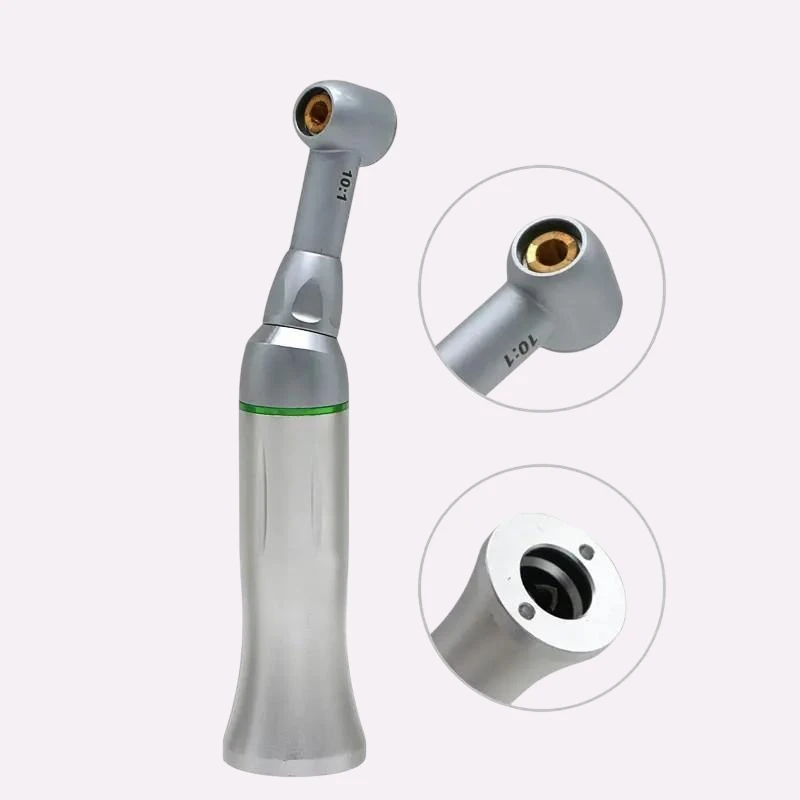
Our Electric slow speed handpiece is a versatile option that provides both clockwise and counter - clockwise rotation capabilities. It is equipped with advanced technology to ensure smooth and reliable operation, regardless of the rotational direction selected.
Ensuring Optimal Performance
To ensure the optimal performance of our dental low speed handpiece motors, we recommend the following:
Regular Maintenance
Proper maintenance is essential for the longevity and performance of the handpiece motor. This includes cleaning the handpiece after each use, lubricating the moving parts, and checking for any signs of wear or damage. Regular maintenance helps to prevent issues such as overheating, reduced rotational speed, or inconsistent rotational direction.
Training and Education
Dental professionals should receive proper training on the use of our handpiece motors, including how to adjust the rotational direction. Understanding the correct operation of the motor and the factors that influence rotational direction can lead to more efficient and effective dental procedures.
Quality Control
We implement strict quality control measures in the manufacturing process of our handpiece motors. This ensures that each product meets the highest standards of performance and reliability. Our motors are tested thoroughly to ensure that the rotational direction is accurate and consistent.
Conclusion
The rotational direction of a dental low speed handpiece motor is a crucial factor in dental procedures. Whether it is clockwise or counter - clockwise, the choice of rotational direction depends on the procedure requirements, instrument compatibility, and operator preference. As a supplier of Dental Low Speed Handpiece Motors, we are committed to providing high - quality products that offer flexibility and precision in rotational direction.
If you are a dental professional looking for reliable and versatile dental low speed handpiece motors, we invite you to contact us for a procurement discussion. Our team of experts is ready to assist you in finding the right product to meet your specific needs.
References
- Dental Instrumentation: Principles and Techniques. 4th Edition. Mosby.
- Textbook of Operative Dentistry. 6th Edition. Saunders.