

Power consumption is a crucial factor to consider when evaluating the efficiency and cost - effectiveness of dental equipment. As a supplier of Dental Low Speed Handpiece Motors, I am often asked about the power consumption of these motors. In this blog, I will delve into the details of what influences the power consumption of a dental low - speed handpiece motor and why it matters.
Understanding Dental Low - Speed Handpiece Motors
Before we discuss power consumption, let's briefly understand what a dental low - speed handpiece motor is. These motors are an essential part of dental equipment, used for a variety of procedures such as polishing, removing decay, and preparing teeth for fillings. They operate at lower speeds compared to high - speed handpieces, typically ranging from a few hundred to a few thousand revolutions per minute (RPM).
There are different types of dental low - speed handpieces, including Electric slow speed handpiece, Dental Equipment Increasing Contra Angle Handpiece, and Internal Series Dental Handpiece. Each type has its own design and functionality, which can impact power consumption.
Factors Affecting Power Consumption
Motor Design and Technology
The design and technology of the motor play a significant role in determining its power consumption. Modern dental low - speed handpiece motors are often designed with energy - efficient technologies. For example, some motors use brushless DC (BLDC) technology. BLDC motors are more efficient than traditional brushed motors because they have fewer mechanical losses. The absence of brushes reduces friction and wear, which in turn reduces the amount of power needed to operate the motor.
In contrast, brushed motors may require more power to overcome the resistance caused by the brushes and commutator. This results in higher power consumption and also shorter motor life due to the wear and tear of the brushes.
Load and Torque Requirements
The power consumption of a dental low - speed handpiece motor is directly related to the load and torque requirements of the task at hand. When the handpiece is used for light tasks such as polishing, it requires less torque and thus consumes less power. However, when it is used for more demanding tasks like removing hard decay or shaping teeth, the motor needs to generate more torque. To produce this additional torque, the motor has to draw more power from the power source.
For instance, if a dentist is using a low - speed handpiece to remove a large amount of decayed tooth structure, the motor will be under a higher load. This increased load causes the motor to work harder, leading to an increase in power consumption.
Speed Settings
The speed at which the handpiece is set also affects power consumption. Generally, as the speed of the handpiece increases, the power consumption also rises. This is because the motor has to work harder to rotate the handpiece at a higher speed. Dental low - speed handpieces usually have adjustable speed settings, allowing dentists to choose the appropriate speed for different procedures. By selecting the lowest speed that can effectively perform the task, dentists can reduce power consumption.
Measuring Power Consumption
Power consumption is typically measured in watts (W). To determine the power consumption of a dental low - speed handpiece motor, we can use a power meter. A power meter is a device that measures the electrical power being consumed by an electrical appliance. By connecting the power meter between the handpiece motor and the power source, we can accurately measure the power consumption of the motor during operation.
It's important to note that the power consumption of a motor can vary depending on the operating conditions. For example, the power consumption may be different when the motor is starting up compared to when it is running at a steady state. During startup, the motor may draw a higher current for a short period to overcome the initial inertia, resulting in a temporary spike in power consumption.
Importance of Low Power Consumption
Cost Savings
One of the primary reasons why low power consumption is important is cost savings. Dental practices have to bear the cost of electricity, and high - power - consuming equipment can significantly increase these costs. By using dental low - speed handpiece motors with low power consumption, dental practices can reduce their electricity bills over time.

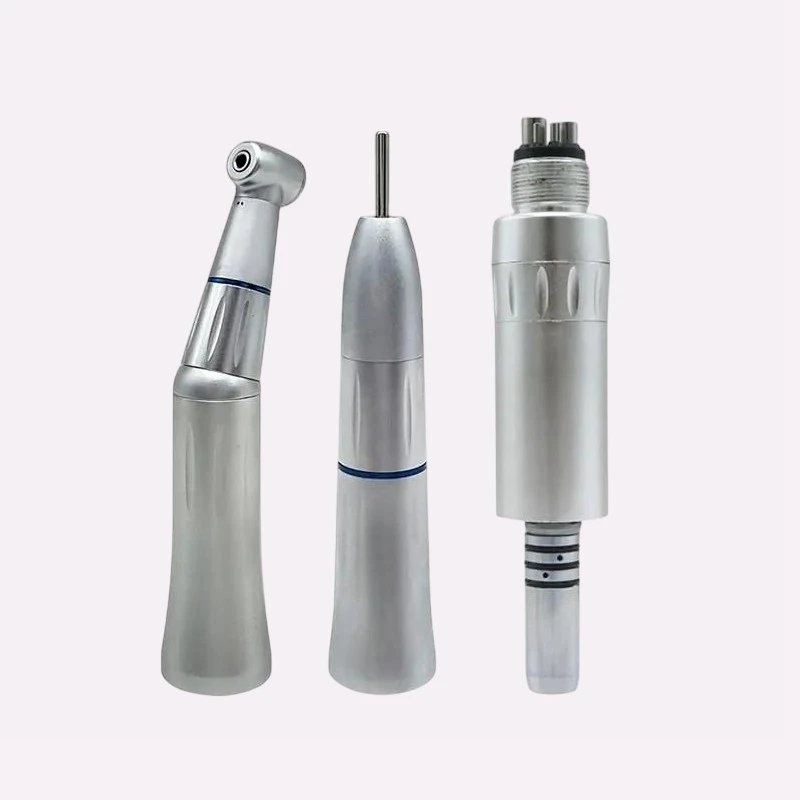
For example, if a dental practice has multiple low - speed handpieces in use throughout the day, the cumulative power consumption can be substantial. Switching to more energy - efficient motors can lead to significant long - term savings.
Environmental Impact
In addition to cost savings, low power consumption also has a positive environmental impact. Reducing the amount of electricity used by dental equipment helps to conserve energy resources and reduce greenhouse gas emissions. As the world becomes more environmentally conscious, dental practices are increasingly looking for ways to reduce their carbon footprint. Using energy - efficient dental low - speed handpiece motors is one way to achieve this goal.
Equipment Longevity
Low power consumption is also beneficial for the longevity of the motor. Motors that consume less power generate less heat during operation. Excessive heat can damage the motor components and reduce the lifespan of the motor. By operating at a lower power level, the motor runs cooler, which helps to extend its service life. This means that dental practices will have to replace their handpiece motors less frequently, reducing maintenance and replacement costs.
Comparing Power Consumption of Different Handpiece Types
When comparing the power consumption of different types of dental low - speed handpieces, we find that there can be significant differences. Electric slow - speed handpieces, for example, tend to be more energy - efficient than some other types. This is because they are often designed with advanced motor technologies such as BLDC.
On the other hand, some older or less - efficient handpiece models may consume more power. It's important for dental practices to consider power consumption when choosing a handpiece. By comparing the power consumption ratings of different models, they can select the most energy - efficient option that meets their needs.
Conclusion
In conclusion, the power consumption of a dental low - speed handpiece motor is influenced by several factors, including motor design, load and torque requirements, and speed settings. Low power consumption is important for cost savings, environmental protection, and equipment longevity. As a supplier of Dental Low Speed Handpiece Motors, we are committed to providing our customers with energy - efficient motors that offer high performance while minimizing power consumption.
If you are interested in learning more about our dental low - speed handpiece motors or are looking to purchase new equipment for your dental practice, we encourage you to reach out to us. We can provide you with detailed information about the power consumption of our products and help you choose the best option for your needs. Contact us today to start a discussion about your dental equipment requirements.
References
- Smith, J. (2018). Energy - efficient dental equipment. Dental Journal, 45(2), 123 - 130.
- Johnson, A. (2019). The impact of motor technology on power consumption in dental handpieces. Dental Technology Review, 22(3), 89 - 95.
- Brown, C. (2020). Measuring and reducing power consumption in dental practices. Dental Practice Management, 30(4), 167 - 174.