

As a supplier of the Low Speed Dental External Series Handpiece, I often receive inquiries from dental professionals regarding the replacement frequency of bearings in these essential tools. In this blog post, I'll delve into the factors that influence bearing replacement, offer some general guidelines, and discuss how to recognize when it's time for a change.
Understanding the Role of Bearings in Low Speed Dental External Series Handpiece
Bearings play a crucial role in the smooth operation of the Low Speed Dental External Series Handpiece. They support the rotating components, reduce friction, and ensure precise movement. Without properly functioning bearings, the handpiece can experience increased vibration, reduced speed, and even premature failure.

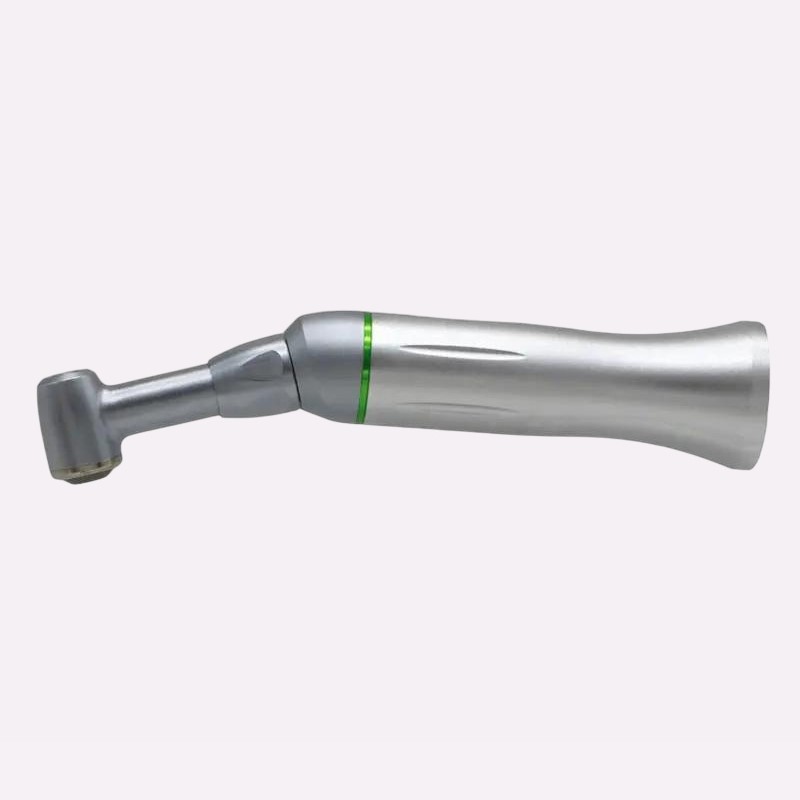
Factors Affecting Bearing Lifespan
Several factors can influence how often the bearings in a Low Speed Dental External Series Handpiece need to be replaced. These include:
- Usage Frequency: Handpieces that are used more frequently are likely to experience more wear and tear on the bearings. In a busy dental practice, where the handpiece is in constant use throughout the day, the bearings may need to be replaced more often than in a less busy setting.
- Type of Procedures: The type of dental procedures performed with the handpiece can also impact bearing lifespan. For example, procedures that involve high torque or heavy loads, such as Root Canal Treatment Reduction Dental Handpiece operations, can put more stress on the bearings and cause them to wear out faster.
- Maintenance Practices: Proper maintenance is essential for extending the lifespan of the bearings. Regular cleaning, lubrication, and sterilization can help prevent the buildup of debris and contaminants that can damage the bearings. Additionally, following the manufacturer's recommended maintenance schedule can ensure that the handpiece is operating at its best.
- Quality of Bearings: The quality of the bearings used in the handpiece can also affect their lifespan. Higher-quality bearings are typically more durable and resistant to wear, which means they may last longer than lower-quality bearings.
General Guidelines for Bearing Replacement
While the exact replacement frequency will depend on the factors mentioned above, there are some general guidelines that can help dental professionals determine when it's time to replace the bearings in their Low Speed Dental External Series Handpiece.
- Manufacturer Recommendations: The manufacturer of the handpiece will typically provide recommended maintenance and replacement schedules. It's important to follow these guidelines to ensure the handpiece is operating safely and effectively.
- Visual Inspection: Regular visual inspections of the handpiece can help identify signs of wear or damage to the bearings. Look for signs of excessive vibration, noise, or roughness during operation, as these may indicate that the bearings are starting to fail.
- Performance Issues: If the handpiece is experiencing performance issues, such as reduced speed or power, it may be a sign that the bearings need to be replaced. In some cases, these issues may be caused by other factors, such as a clogged air or water line, so it's important to troubleshoot the problem thoroughly before replacing the bearings.
Recognizing the Signs of Bearing Failure
In addition to following the general guidelines for bearing replacement, it's important to be able to recognize the signs of bearing failure. Some common signs include:
- Excessive Vibration: If the handpiece is vibrating more than usual, it may be a sign that the bearings are worn or damaged. Excessive vibration can not only affect the performance of the handpiece but also cause discomfort for the patient.
- Noise: Unusual noises, such as grinding or clicking, during operation can also indicate bearing failure. These noises may be caused by loose or damaged bearings, which can lead to further damage if not addressed promptly.
- Reduced Speed or Power: If the handpiece is not operating at its normal speed or power, it may be a sign that the bearings are starting to fail. Reduced speed or power can make it more difficult to perform dental procedures effectively and may also increase the risk of damage to the teeth or surrounding tissues.
- Difficulty in Rotation: If the handpiece is difficult to rotate or feels stiff, it may be a sign that the bearings are seized or damaged. This can make it impossible to use the handpiece safely and effectively.
Importance of Timely Bearing Replacement
Replacing the bearings in a Low Speed Dental External Series Handpiece in a timely manner is essential for several reasons.
- Safety: Worn or damaged bearings can pose a safety risk to both the dental professional and the patient. Excessive vibration or noise can make it difficult to control the handpiece, increasing the risk of accidental injury. Additionally, a handpiece that is not operating properly can cause damage to the teeth or surrounding tissues.
- Performance: Properly functioning bearings are essential for the smooth and efficient operation of the handpiece. By replacing the bearings when needed, dental professionals can ensure that the handpiece is performing at its best, allowing them to provide high-quality dental care.
- Cost Savings: While replacing the bearings may seem like an additional expense, it can actually save money in the long run. By preventing premature failure of the handpiece, timely bearing replacement can extend the lifespan of the tool and reduce the need for costly repairs or replacements.
Conclusion
In conclusion, the replacement frequency of bearings in the Low Speed Dental External Series Handpiece depends on several factors, including usage frequency, type of procedures, maintenance practices, and the quality of the bearings. By following the manufacturer's recommendations, conducting regular visual inspections, and recognizing the signs of bearing failure, dental professionals can ensure that their handpieces are operating safely and effectively.
If you're in the market for a reliable Low Speed Dental External Series Handpiece or need more information about bearing replacement, please don't hesitate to contact us. We're here to help you find the right solutions for your dental practice.
References
- Manufacturer's manuals for Low Speed Dental External Series Handpiece
- Industry standards and best practices for dental handpiece maintenance