

As a supplier of Low Speed Dental External Series Handpieces, understanding the air consumption of these essential dental tools is crucial. In the dental field, the efficiency and performance of handpieces are directly related to air consumption, which in turn impacts both clinical operations and cost - effectiveness.
The Basics of Air Consumption in Low Speed Dental External Series Handpieces
Air consumption in dental handpieces refers to the volume of compressed air used by the handpiece during its operation. For Low Speed Dental External Series Handpieces, this parameter is significant as it affects the overall functionality of the device. Compressed air is used to power the motor inside the handpiece, enabling it to rotate at the desired speed. The air also plays a role in cooling the motor and expelling debris during dental procedures.
The air consumption rate is typically measured in liters per minute (L/min). A lower air consumption rate is generally more desirable as it means less energy is being used to operate the handpiece. This not only reduces the cost of running the dental equipment but also puts less strain on the air compressor, potentially extending its lifespan.
Factors Affecting Air Consumption
1. Design and Construction
The design of the handpiece has a major impact on air consumption. Handpieces with well - engineered internal components, such as high - quality bearings and smooth air channels, are more likely to have lower air consumption. For example, a handpiece with a precisely machined air valve can regulate the flow of air more efficiently, reducing waste.
2. Speed and Torque Requirements
The speed and torque settings of the handpiece also influence air consumption. Higher speed and torque usually require more air to power the motor. In dental procedures, different tasks may demand different speed and torque levels. For instance, when performing fine - detailed work like polishing, a lower speed is sufficient, and thus the air consumption will be relatively low. On the other hand, when removing hard dental tissues, a higher speed and torque are needed, which will lead to increased air consumption.
3. Maintenance
Proper maintenance of the handpiece is essential for controlling air consumption. Over time, debris, dental materials, and lubricants can accumulate inside the handpiece, obstructing the air channels and increasing air resistance. Regular cleaning, lubrication, and inspection can ensure that the handpiece operates smoothly, minimizing air consumption. For example, if the air filter in the handpiece is clogged, it will force the compressor to work harder to supply the necessary air, resulting in higher air consumption.
Measuring Air Consumption
To accurately measure the air consumption of Low Speed Dental External Series Handpieces, specialized equipment is required. An air flow meter can be used to measure the volume of air flowing through the handpiece at different operating conditions. This measurement is usually taken at the inlet of the handpiece, where the compressed air enters.
When measuring air consumption, it is important to test the handpiece under various speed and torque settings to get a comprehensive understanding of its performance. For example, the air consumption at the minimum speed setting may be significantly different from that at the maximum speed setting. By conducting these tests, dental professionals and suppliers can make informed decisions about the efficiency of the handpiece.
Importance of Controlling Air Consumption
1. Cost Savings
Controlling air consumption can lead to significant cost savings for dental clinics. Compressed air systems consume a considerable amount of energy, and reducing the air consumption of handpieces can lower the overall energy bill. In addition, less air consumption means less wear and tear on the air compressor, reducing maintenance and replacement costs.
2. Environmental Impact
Lower air consumption also has a positive environmental impact. By reducing energy consumption, dental clinics can decrease their carbon footprint. This is in line with the growing trend of environmental sustainability in the healthcare industry.
3. Improved Performance
A handpiece with controlled air consumption is more likely to provide consistent performance. When the air flow is optimized, the motor can operate more smoothly, resulting in better control during dental procedures. This can lead to improved patient outcomes and a more comfortable experience for both the dentist and the patient.
Our Low Speed Dental External Series Handpieces
At our company, we are committed to providing high - quality Low Speed Dental External Series Handpieces with low air consumption. Our handpieces are designed with advanced technology and precision engineering to ensure optimal performance.

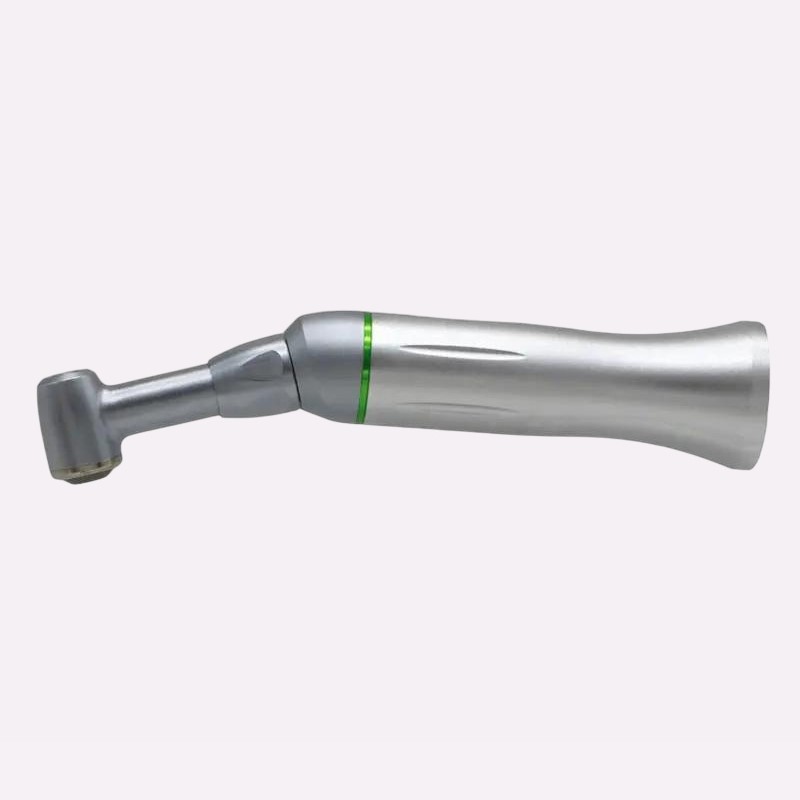
Our Dental Low Speed Handpiece Motor is a prime example of our dedication to efficiency. It features a state - of - the - art air valve system that precisely regulates air flow, reducing air consumption without sacrificing power. The motor is also constructed with high - quality materials, ensuring durability and smooth operation.
The Root Canal Treatment Reduction Dental Handpiece in our series is specifically designed for root canal procedures. It has a unique air cooling system that effectively cools the motor while using minimal air. This handpiece provides the necessary torque and speed for root canal treatment, all while keeping air consumption at a reasonable level.
Our Dental Equipment Increasing Contra Angle Handpiece is another innovative product. It offers a wide range of speed and torque settings, allowing dentists to choose the most appropriate setting for different procedures. Despite its versatility, it is engineered to consume less air compared to traditional handpieces.
Conclusion
In conclusion, understanding and controlling the air consumption of Low Speed Dental External Series Handpieces is of great importance in the dental industry. It affects not only the cost and environmental impact but also the performance of the handpieces. As a supplier, we are constantly striving to develop and provide handpieces that offer the best balance between air consumption and performance.
If you are interested in our Low Speed Dental External Series Handpieces or have any questions about air consumption and dental handpiece performance, we encourage you to contact us for a detailed discussion. We are ready to assist you in making the right choice for your dental practice.
References
- Dental Equipment Handbook: A Comprehensive Guide to Dental Tools and Their Operation.
- Journal of Dental Technology: Studies on Air Consumption in Dental Handpieces.
- International Dental Journal: Efficiency and Performance of Low Speed Dental Handpieces.