

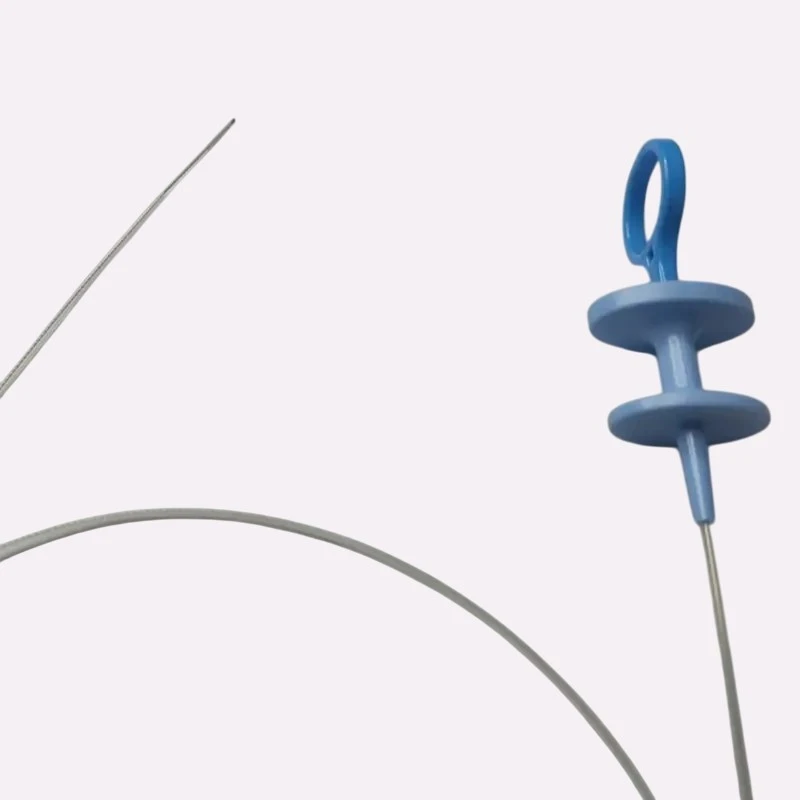
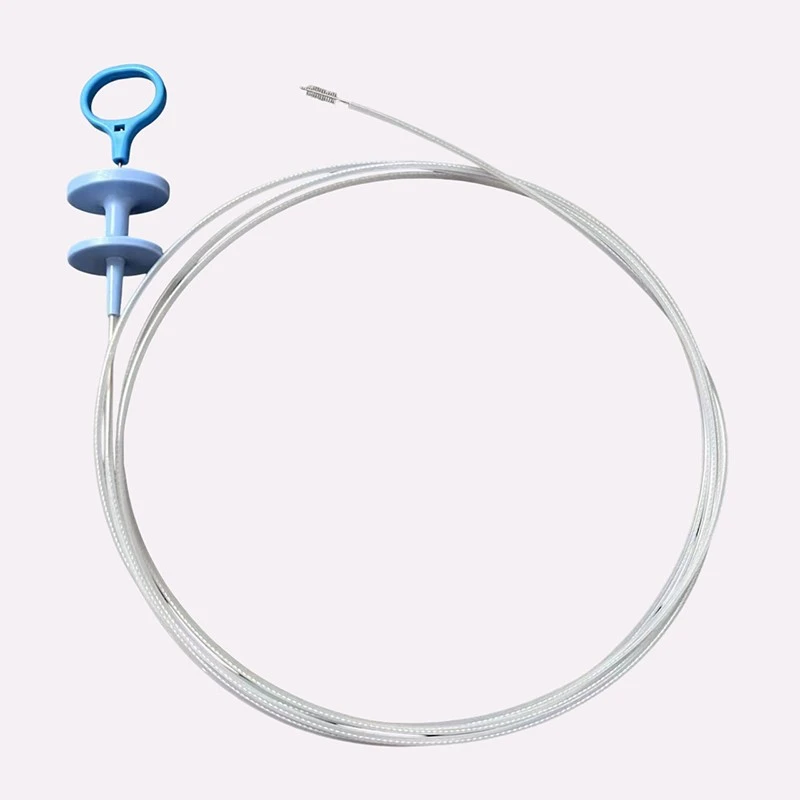
Quality control is of utmost importance in the production and supply of medical devices, especially when it comes to products like endoscopic cytology brushes. As a supplier of Endoscopic Cytology Brush, we understand the critical role these brushes play in diagnostic and therapeutic procedures. In this blog post, we will delve into the various quality control measures that we implement to ensure the safety and effectiveness of our endoscopic cytology brushes.
Raw Material Inspection
The quality of an endoscopic cytology brush starts with the selection of raw materials. We source our materials from reputable suppliers who adhere to strict quality standards. Before using any raw material in the production process, we conduct a thorough inspection. This includes checking the physical and chemical properties of the materials, such as the hardness of the brush filaments, the flexibility of the shaft, and the biocompatibility of the materials.
For example, the brush filaments are made of high - quality polymers that are designed to be soft enough to collect cells gently without causing excessive trauma to the tissue, yet strong enough to retain their shape during the sampling process. We use advanced testing equipment to measure the tensile strength and elasticity of the filaments. If the materials do not meet our pre - determined specifications, they are rejected immediately.
Production Process Monitoring
The production process of endoscopic cytology brushes is a complex one that requires strict control at every step. We have established a comprehensive quality control system that monitors the entire production line. This includes monitoring the temperature, pressure, and speed during the manufacturing process.
During the assembly of the brush, we ensure that the filaments are evenly distributed and firmly attached to the shaft. We use automated inspection systems to check the alignment and density of the filaments. Any brushes with irregularities in the filament arrangement are removed from the production line.
In addition, we pay close attention to the sterilization process. Endoscopic cytology brushes are medical devices that come into direct contact with the human body, so proper sterilization is essential to prevent infections. We use validated sterilization methods, such as ethylene oxide sterilization, which is a widely accepted method for sterilizing heat - sensitive medical devices. After sterilization, we conduct sterility testing to ensure that the brushes are free from microorganisms.
In - process Quality Checks
In addition to the overall production process monitoring, we also conduct in - process quality checks at specific intervals. For example, after the shaft is formed, we measure its diameter and length to ensure that it meets the design specifications. We also check the surface finish of the shaft to ensure that it is smooth and free from burrs or sharp edges, which could cause damage to the endoscope or the patient's tissue.
During the packaging process, we inspect the packaging materials to ensure that they are clean, intact, and capable of protecting the brush during storage and transportation. We also check the labeling on the packaging to ensure that it contains accurate information about the product, such as the model number, batch number, expiration date, and usage instructions.
Final Product Testing
Once the production process is completed, each endoscopic cytology brush undergoes a series of final product tests. These tests are designed to evaluate the performance and safety of the brushes.
One of the key tests is the cell collection efficiency test. We use simulated tissue models to evaluate how well the brush can collect cells. The collected cells are then analyzed under a microscope to determine the quantity and quality of the cells. If the cell collection efficiency is below our standards, the batch of brushes is further investigated and may be rejected.
We also conduct a bending and torsion test on the shaft of the brush. This test simulates the movement of the brush inside the endoscope and ensures that the shaft can withstand the mechanical stress without breaking or deforming.
Another important test is the leakage test. We check to make sure that there are no leaks in the brush, especially at the joint between the shaft and the handle. A leak could allow fluids or contaminants to enter the brush, which could pose a risk to the patient.
Quality Assurance Documentation
We maintain detailed quality assurance documentation for every batch of endoscopic cytology brushes we produce. This documentation includes records of raw material inspections, production process parameters, in - process quality checks, and final product test results. These records are not only important for internal quality control purposes but also for regulatory compliance.
In case of any quality issues or customer complaints, we can trace back the entire production process using these records. This allows us to quickly identify the root cause of the problem and take appropriate corrective actions.
Comparison with Related Products
Our endoscopic cytology brushes are designed to offer superior quality compared to other similar products on the market. For example, compared to some of the brushes used in Endoscopic Snare Polypectomy, our brushes are more focused on gentle cell collection rather than tissue removal. This makes them more suitable for diagnostic purposes.
In addition, when compared to Medical Medical Balloon Dilatation Dilation Balloon Catheter, which is mainly used for dilating strictures, our brushes have a completely different function. However, both products require high - level quality control to ensure their safety and effectiveness.
Customer Feedback and Continuous Improvement
Customer feedback is an important part of our quality control system. We actively seek feedback from our customers, including doctors, nurses, and patients. We use this feedback to identify areas for improvement and make necessary adjustments to our products and processes.
If a customer reports an issue with the cell collection efficiency of our brush, we will analyze the feedback and conduct further research to improve the design or manufacturing process. We also encourage our customers to provide suggestions for new features or improvements, and we incorporate these suggestions into our product development plans.
Conclusion
As a supplier of endoscopic cytology brushes, we are committed to providing high - quality products that meet the strictest standards of safety and effectiveness. Our comprehensive quality control measures, from raw material inspection to final product testing, ensure that each brush we produce is of the highest quality.
If you are interested in purchasing our endoscopic cytology brushes or have any questions about our products, we invite you to contact us for further discussion. We are always ready to provide you with detailed product information and technical support.
References
- "Medical Device Quality Management Systems - Requirements for Regulatory Purposes" (ISO 13485:2016).
- "Sterilization of Health Care Products - Ethylene Oxide Sterilization" (ISO 11135:2014).
- "Guidance for Industry and Food and Drug Administration Staff - Design Control Guidance for Medical Device Manufacturers".