

Hey there! As a supplier of low speed handpieces, I've seen firsthand the importance of safety when using these handy dental tools. Low speed handpieces are used in a variety of dental procedures, from simple cleanings to more complex root canal treatments. That's why it's crucial to take the right safety precautions to ensure both the dentist's and the patient's well - being.
First off, let's talk about personal protective equipment (PPE). This is the front line of defense when using low speed handpieces. Dentists and dental assistants should always wear gloves. Gloves not only protect the hands from potential contact with bodily fluids, but they also provide a better grip on the handpiece. A good grip is essential to prevent the handpiece from slipping during a procedure, which could lead to injury to the patient's mouth or gums.
Another important piece of PPE is a face shield or goggles. When using a low speed handpiece, there's a risk of debris flying out, especially when working on hard tissues like teeth. A face shield or goggles can protect the eyes from these flying particles, which could cause serious eye injuries. And don't forget about masks! Masks help prevent the inhalation of aerosols and droplets that may be generated during the dental procedure.
Now, let's move on to the handpiece itself. Before using a low speed handpiece, always check its condition. Look for any visible signs of damage, such as cracks in the casing or loose parts. A damaged handpiece can be dangerous to use. It might malfunction during a procedure, which could lead to unexpected movements or even breakage. If you notice any damage, don't use the handpiece. Instead, send it for repair or replace it.

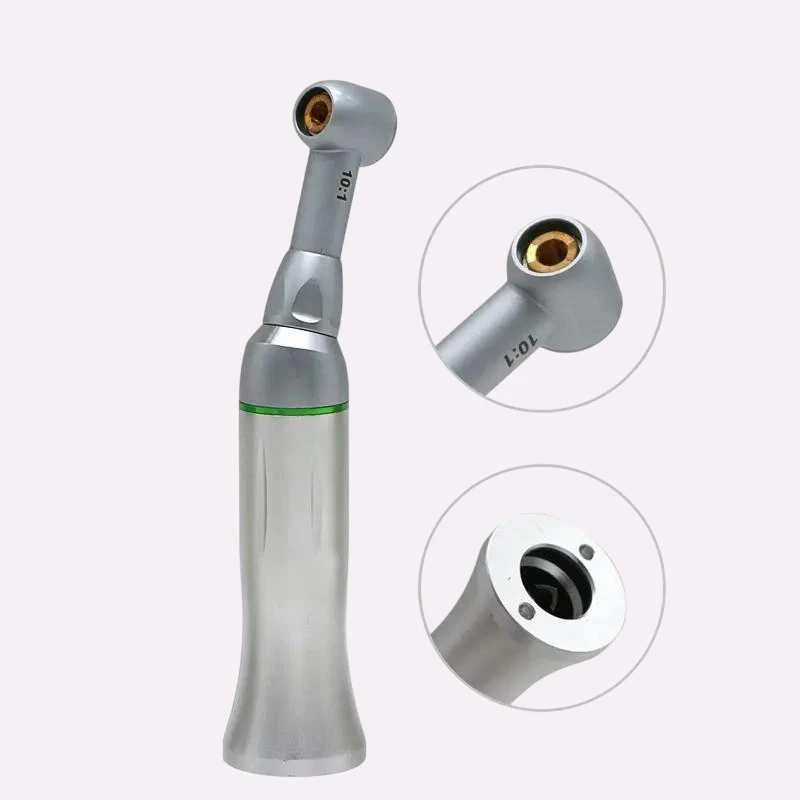
Proper maintenance of the handpiece is also key. Regularly clean and lubricate the handpiece according to the manufacturer's instructions. A well - maintained handpiece operates more smoothly and is less likely to malfunction. For example, cleaning the handpiece helps remove any debris that might accumulate inside, which could affect its performance. Lubrication, on the other hand, reduces friction between moving parts, extending the lifespan of the handpiece.
When it comes to the type of low speed handpieces, we have some great options. Check out our Dental Low Speed Handpiece Motor. It's a high - quality motor that provides reliable power for your dental procedures. Another option is the Root Canal Treatment Reduction Dental Handpiece, which is specifically designed for root canal treatments. And if you're looking for an external series handpiece, our Low Speed Dental External Series Handpiece is a great choice.
In addition to PPE and handpiece maintenance, proper technique is crucial. Dentists should be trained in the correct way to use low speed handpieces. For example, applying too much pressure can damage the teeth or gums. It's important to use a gentle touch and let the handpiece do the work. Also, make sure to use the handpiece at the appropriate speed for the task at hand. Different procedures may require different speeds, so it's essential to know when to adjust the speed setting.
When storing the low speed handpiece, keep it in a clean and dry place. Avoid storing it in areas where it might get knocked over or damaged. A proper storage case can help protect the handpiece when it's not in use. And always make sure to disconnect the handpiece from the power source when storing it to prevent any accidental activation.
Now, let's talk about infection control. Low speed handpieces can come into contact with a patient's mouth, so it's essential to follow strict infection control protocols. After each use, disinfect the handpiece thoroughly. This usually involves using a disinfectant solution that's approved for use on dental equipment. Some handpieces can also be sterilized in an autoclave, which is the most effective way to kill all types of microorganisms.
During a dental procedure, be aware of the patient's comfort. Explain the procedure to the patient before starting, so they know what to expect. This can help reduce their anxiety and make the procedure go more smoothly. Also, make sure to adjust the speed and pressure of the handpiece based on the patient's feedback. If the patient is experiencing pain or discomfort, stop the procedure and make the necessary adjustments.
It's also important to have a backup plan in case the handpiece malfunctions during a procedure. Keep a spare low speed handpiece on hand, so you can quickly switch to it if needed. This can help minimize the disruption to the patient and ensure that the procedure can continue without a long delay.
As a supplier of low speed handpieces, we're committed to providing high - quality products and ensuring the safety of dental professionals and their patients. Our handpieces are designed with safety in mind, and we offer comprehensive support and guidance on their proper use and maintenance.
If you're in the market for low speed handpieces or have any questions about safety precautions, we'd love to hear from you. Contact us to start a discussion about your dental equipment needs. We can provide you with more information about our products and how they can meet your specific requirements. Whether you're a small dental clinic or a large dental hospital, we have the right low speed handpieces for you.
In conclusion, using low speed handpieces safely involves a combination of proper PPE, regular maintenance, correct technique, and strict infection control. By following these safety precautions, you can ensure a safe and successful dental procedure for both you and your patients. So, take the time to implement these safety measures, and you'll be well on your way to providing top - notch dental care.
References
- Dental Equipment Manufacturer's Manuals
- Dental Association Guidelines on Safety and Infection Control