

In the realm of dental equipment, low speed handpieces play a crucial role in various dental procedures. As a dedicated supplier of low speed handpieces, I often encounter inquiries about the weight of these essential tools. Understanding the weight of a typical low speed handpiece is not only important for dental professionals but also for those involved in the procurement process. In this blog post, I will delve into the factors that influence the weight of low speed handpieces, explore the typical weight ranges, and discuss the significance of weight in dental practice.
Factors Influencing the Weight of Low Speed Handpieces
The weight of a low speed handpiece is influenced by several factors, including the materials used in its construction, the design features, and the additional components. Let's take a closer look at each of these factors:
Materials
The choice of materials significantly impacts the weight of a low speed handpiece. High - quality handpieces are often made from a combination of metals and plastics. Metals such as stainless steel are commonly used for the outer casing due to their durability and resistance to corrosion. However, stainless steel is relatively heavy. On the other hand, plastics are lightweight and can be used for non - critical parts of the handpiece, such as the grip area, to reduce overall weight. Some advanced handpieces may also incorporate lightweight alloys, which offer a good balance between strength and weight.
Design Features
The design of the handpiece also plays a role in determining its weight. Handpieces with complex internal mechanisms, such as those with advanced gear systems for torque control, may be heavier than simpler designs. Additionally, the shape and size of the handpiece can affect its weight. Larger handpieces may have more space for components, which can increase their weight, while smaller, more compact designs tend to be lighter.
Additional Components
Some low speed handpieces come with additional components, such as built - in water spray systems or LED lights. These components add functionality but also contribute to the overall weight of the handpiece. For example, a handpiece with a water spray system will need to accommodate the water channels and connectors, which can add a few grams to its weight.
Typical Weight Ranges of Low Speed Handpieces
The weight of a typical low speed handpiece can vary depending on the type and model. Generally, the weight of low speed handpieces ranges from around 60 grams to 150 grams.
Lightweight Handpieces
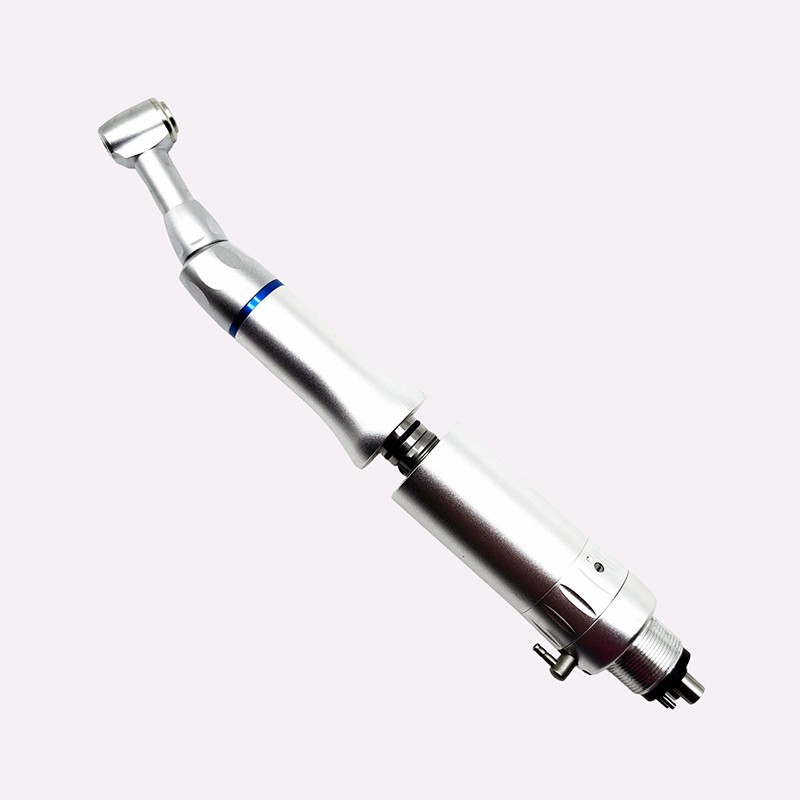
Lightweight low speed handpieces are often preferred for procedures that require long periods of use or fine control. These handpieces typically weigh between 60 grams and 90 grams. They are designed to reduce hand fatigue, allowing dental professionals to work with greater precision and comfort. For example, a Low Speed Dental External Series Handpiece is often engineered to be lightweight, making it suitable for delicate procedures such as polishing and minor restorations.
Standard - Weight Handpieces
Standard - weight low speed handpieces usually weigh between 90 grams and 120 grams. These handpieces offer a good balance between functionality and comfort. They are suitable for a wide range of dental procedures, including cavity preparation and root canal treatment. The Root Canal Treatment Reduction Dental Handpiece falls into this category, providing sufficient power and durability while maintaining a manageable weight.
Heavy - Duty Handpieces
Heavy - duty low speed handpieces, which are designed for more demanding procedures, can weigh between 120 grams and 150 grams. These handpieces are built to withstand high - torque applications and may have more robust internal components. A Dental Low Speed Handpiece Motor is an example of a heavy - duty handpiece that can handle tough tasks such as removing large amounts of tooth structure during restorative procedures.
Significance of Weight in Dental Practice
The weight of a low speed handpiece has several implications for dental practice:
Comfort and Fatigue
One of the most important aspects of handpiece weight is its impact on the comfort of the dental professional. A heavy handpiece can cause hand fatigue, especially during long procedures. This fatigue can lead to a decrease in precision and control, potentially affecting the quality of the dental work. On the other hand, a lightweight handpiece allows for more comfortable handling, reducing the risk of fatigue and enabling the dentist to work for longer periods without compromising on accuracy.
Precision and Control
The weight of the handpiece also affects the dentist's ability to control the instrument. A well - balanced and appropriately weighted handpiece provides better control during delicate procedures. Dentists can make more precise movements, which is crucial for tasks such as shaping cavities or performing root canal treatments. For example, a lightweight handpiece can be more easily maneuvered in tight spaces within the oral cavity, allowing for more accurate work.
Patient Experience
The weight of the handpiece can indirectly affect the patient experience. A dentist who is using a comfortable and easy - to - handle handpiece is more likely to perform the procedure smoothly and efficiently. This can reduce the time the patient spends in the dental chair and minimize discomfort during the treatment.
Choosing the Right Weight for Your Needs
When selecting a low speed handpiece, it is important to consider your specific needs and preferences. If you frequently perform long - duration or delicate procedures, a lightweight handpiece may be the best choice. On the other hand, if you need a handpiece for more heavy - duty tasks, a heavier, more robust model may be more suitable.
It is also advisable to test different handpieces before making a purchase. Many dental equipment suppliers offer the opportunity to try out handpieces in person. This allows you to get a feel for the weight, balance, and handling of the handpiece and determine which one is the most comfortable and effective for your practice.

Conclusion
As a supplier of low speed handpieces, I understand the importance of weight in the dental field. The weight of a low speed handpiece is influenced by various factors, including materials, design, and additional components. Typical low speed handpieces range in weight from 60 grams to 150 grams, with different weight categories suitable for different types of dental procedures. The weight of the handpiece affects comfort, precision, and the overall patient experience.
If you are in the market for a low speed handpiece and would like to learn more about our product range or discuss your specific requirements, we invite you to reach out to us. Our team of experts is ready to assist you in selecting the right handpiece for your dental practice. Whether you need a lightweight handpiece for delicate work or a heavy - duty model for more demanding procedures, we have the solutions to meet your needs.
References
- Dental Equipment Technology Handbook.
- Journal of Dental Research on Handpiece Ergonomics.