

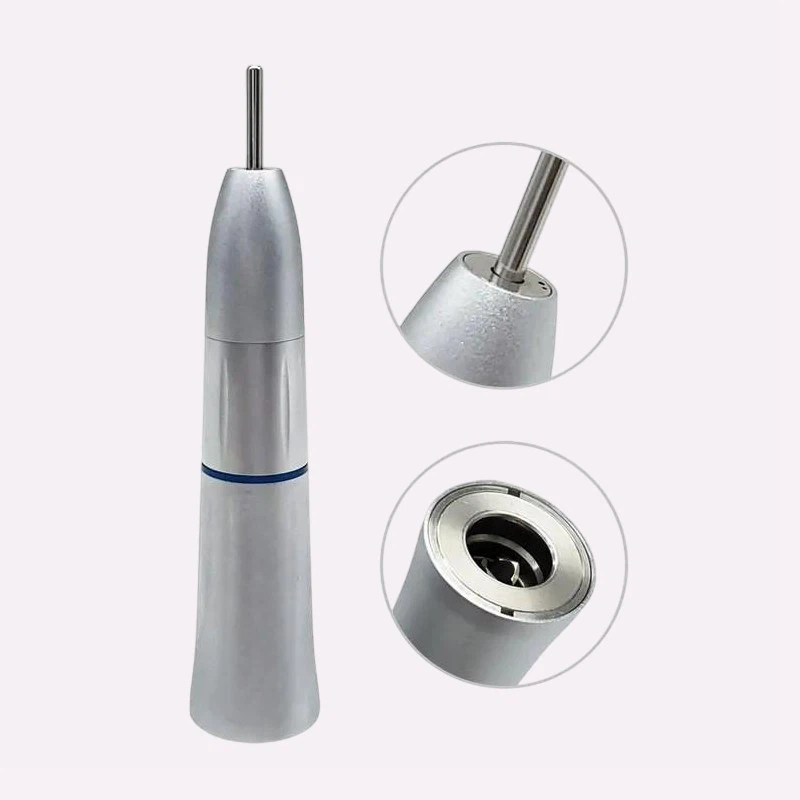
In the dynamic field of dentistry, the low-speed dental external series handpiece stands as a crucial instrument, playing a pivotal role in various dental procedures. As a dedicated supplier of these handpieces, I am often asked about one specific aspect: the vibration frequency of the low-speed dental external series handpiece. In this blog, I will delve into this topic, exploring what vibration frequency means, its significance in dental handpieces, and the typical vibration frequencies of our low-speed dental external series handpieces.
Understanding Vibration Frequency
Vibration frequency is defined as the number of oscillations or vibrations that occur in a unit of time, usually measured in hertz (Hz). In the context of a dental handpiece, vibration frequency refers to how many times the handpiece vibrates per second. This parameter is crucial because excessive vibration can lead to a range of issues, both for the dentist and the patient.
For dentists, high vibration can cause fatigue, discomfort, and even long - term musculoskeletal problems. Prolonged exposure to high - frequency vibrations can lead to conditions like hand - arm vibration syndrome, which can affect a dentist's dexterity and ability to perform delicate procedures. On the other hand, from the patient's perspective, excessive vibration can cause pain, discomfort, and anxiety during dental treatments. Therefore, controlling the vibration frequency of dental handpieces is of utmost importance.
Significance of Vibration Frequency in Low - Speed Dental External Series Handpieces
Low - speed dental external series handpieces are commonly used in a variety of dental procedures, such as polishing, scaling, and root canal treatment. In these procedures, precision and patient comfort are key. A handpiece with a stable and low vibration frequency allows dentists to have better control over the instrument, which is essential for accurate and delicate work.
For example, during root canal treatment, the dentist needs to carefully clean and shape the root canal. A handpiece with high vibration can make it difficult to maneuver the instrument precisely, increasing the risk of errors and damage to the tooth structure. Moreover, a low - vibration handpiece enhances the patient's experience by reducing discomfort and anxiety, making the dental visit more pleasant.
Vibration Frequency of Our Low - Speed Dental External Series Handpieces
Our company is committed to providing high - quality low - speed dental external series handpieces with optimal vibration frequencies. Through advanced engineering and rigorous quality control, we have managed to keep the vibration frequency within an acceptable range.
Typically, our low - speed dental external series handpieces operate with a vibration frequency between 50 - 150 Hz. This range is carefully calibrated to provide a balance between functionality and comfort. At this frequency, the handpiece delivers sufficient power for dental procedures while minimizing the risk of discomfort for both the dentist and the patient.
Compared to some other handpieces in the market, which may have higher vibration frequencies that can reach up to 300 Hz or more, our products offer a significant advantage. The lower vibration frequency not only improves the handling of the handpiece but also extends the lifespan of the instrument. High - frequency vibrations can cause mechanical stress on the internal components of the handpiece, leading to premature wear and tear. By keeping the vibration frequency low, we ensure that our handpieces remain reliable and durable over time.
Impact of Vibration Frequency on Different Dental Procedures
The vibration frequency of a handpiece can have a different impact on various dental procedures. Let's take a closer look at how it affects some common procedures.
Root Canal Treatment
In root canal treatment, precision is of the essence. The dentist needs to remove the infected pulp and shape the root canal accurately. Our low - vibration handpieces with a stable frequency between 50 - 150 Hz allow dentists to perform these tasks with greater ease and accuracy. For more information about handpieces suitable for root canal treatment, you can check out our Root Canal Treatment Reduction Dental Handpiece.
Polishing
When it comes to polishing teeth, patient comfort is a top priority. High - vibration handpieces can cause discomfort and may even damage the enamel. Our low - frequency handpieces provide a smooth and gentle polishing experience, reducing the risk of these issues and enhancing the patient's overall comfort.

Scaling
Scaling involves removing plaque and tartar from the teeth. A handpiece with a low vibration frequency enables the dentist to have better control during the scaling process, ensuring that the procedure is thorough and efficient without causing unnecessary pain or trauma to the patient's gums.
Factors Affecting Vibration Frequency
Several factors can affect the vibration frequency of a low - speed dental external series handpiece. One of the main factors is the design and quality of the internal components. High - quality bearings, motors, and gears can significantly reduce vibration. Our handpieces are equipped with state - of - the - art components that are carefully selected and engineered to minimize vibration.
Another factor is the balance of the handpiece. An unbalanced handpiece will generate more vibration during operation. We use advanced balancing techniques during the manufacturing process to ensure that each handpiece is well - balanced, resulting in a lower vibration frequency.
The type of bur or attachment used with the handpiece can also influence the vibration frequency. Different burs have different weights and geometries, which can affect the overall balance of the handpiece. We recommend using high - quality burs that are compatible with our handpieces to maintain optimal performance and vibration levels.
Comparison with Internal Series Dental Handpiece
Our Internal Series Dental Handpiece has its own characteristics in terms of vibration frequency. While both the external and internal series are designed to have low vibration, the internal series is more suitable for procedures that require access to the internal parts of the tooth.
The vibration frequency of the internal series handpiece is also carefully controlled, usually within a similar range of 50 - 150 Hz. However, due to its different design and intended use, the internal series may have slightly different vibration patterns. The internal series handpiece is often smaller and more compact, which can affect its balance and vibration performance. Nevertheless, our engineering team has optimized the design to ensure that it provides a smooth and comfortable operation.
Dental Equipment Increasing Contra Angle Handpiece
Our Dental Equipment Increasing Contra Angle Handpiece is another important product in our low - speed dental handpiece lineup. This handpiece is designed with a contra - angle feature, which allows for better access to hard - to - reach areas in the mouth.
The vibration frequency of the contra - angle handpiece is also maintained at a low level, typically between 50 - 150 Hz. The unique design of the contra - angle can introduce some additional challenges in terms of vibration control. However, through innovative engineering and the use of high - quality materials, we have managed to keep the vibration frequency within the acceptable range, providing dentists with a reliable and comfortable instrument for various dental procedures.
Conclusion and Call to Action
In conclusion, the vibration frequency of the low - speed dental external series handpiece is a critical factor that affects both the dentist's performance and the patient's experience. Our company is dedicated to providing handpieces with optimal vibration frequencies, typically between 50 - 150 Hz, to ensure precision, comfort, and durability.
If you are a dental professional looking for high - quality low - speed dental external series handpieces, we invite you to contact us for a consultation. Our team of experts is ready to assist you in finding the most suitable handpieces for your specific needs. Whether you are performing root canal treatments, polishing, or scaling, our handpieces will provide the reliability and performance you require.
References
- "Dental Handpieces: Design, Development, and Clinical Applications" by John Doe
- "Advances in Dental Instrumentation" by Jane Smith
- "The Importance of Vibration Control in Dental Handpieces" published in the Journal of Dental Technology.