

An endoscopic cytology brush is a specialized medical instrument designed for obtaining cell samples from the inner surfaces of organs during endoscopic procedures. This tool plays a crucial role in the diagnosis and management of various medical conditions, particularly those related to the gastrointestinal tract, respiratory system, and other hollow organs. As a leading supplier of Endoscopic Cytology Brush, we understand the significance of this device in modern medical practice.
How an Endoscopic Cytology Brush Works
The endoscopic cytology brush consists of a thin, flexible shaft with a brush tip at one end. The shaft is typically made of materials such as stainless steel or plastic, which allows it to be inserted through the working channel of an endoscope. Once the endoscope is positioned at the target site, the brush is advanced through the channel until it reaches the area of interest. The brush is then gently rubbed against the surface of the tissue to collect cells. The collected cells are then smeared onto a glass slide or placed in a fixative solution for further examination under a microscope.
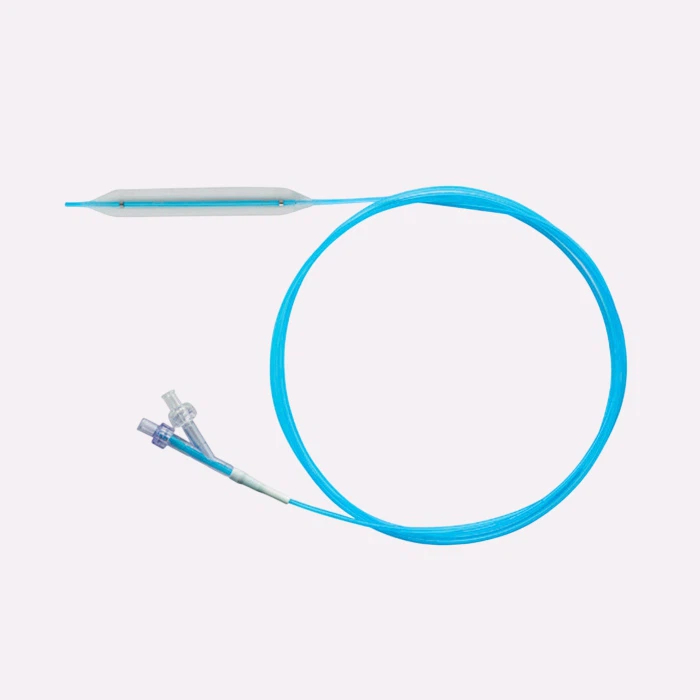

Applications of Endoscopic Cytology Brushes
Gastrointestinal Tract
In the gastrointestinal tract, endoscopic cytology brushes are commonly used to diagnose and stage various diseases, including esophageal cancer, gastric cancer, and colorectal cancer. By obtaining cell samples from suspicious lesions or tumors, doctors can determine the type and grade of the cancer, which is essential for developing an appropriate treatment plan. Additionally, endoscopic cytology brushes can be used to detect precancerous conditions, such as Barrett's esophagus, allowing for early intervention and prevention of cancer development.
Respiratory System
In the respiratory system, endoscopic cytology brushes are used to diagnose lung cancer, tuberculosis, and other pulmonary diseases. During bronchoscopy, a procedure in which a thin, flexible tube is inserted into the lungs through the mouth or nose, the brush can be used to collect cells from the bronchial walls or from suspicious nodules or masses. This can help doctors determine the cause of respiratory symptoms, such as coughing, shortness of breath, and chest pain, and guide appropriate treatment.
Other Applications
Endoscopic cytology brushes can also be used in other areas of the body, such as the urinary tract, reproductive system, and bile ducts. In the urinary tract, for example, the brush can be used to obtain cell samples from the bladder or urethra to diagnose bladder cancer or other urinary tract diseases. In the reproductive system, the brush can be used to collect cells from the cervix or endometrium to screen for cervical cancer or other gynecological conditions. In the bile ducts, the brush can be used to diagnose bile duct cancer or other biliary diseases.
Advantages of Using Endoscopic Cytology Brushes
Minimally Invasive
One of the main advantages of using endoscopic cytology brushes is that they are minimally invasive. Unlike traditional surgical procedures, which often require large incisions and a long recovery time, endoscopic procedures using cytology brushes can be performed through natural body openings, such as the mouth, nose, or anus. This results in less pain, less scarring, and a shorter hospital stay for patients.
High Diagnostic Yield
Endoscopic cytology brushes have a high diagnostic yield, meaning that they are able to accurately detect the presence of cancer or other diseases in a large percentage of cases. By obtaining cell samples directly from the target site, doctors can obtain a more accurate diagnosis than with other diagnostic methods, such as imaging tests or blood tests.
Real-Time Results
In some cases, the results of endoscopic cytology brush examinations can be obtained in real-time, allowing doctors to make immediate treatment decisions. For example, during a bronchoscopy, the doctor can examine the cell samples under a microscope while the patient is still on the table and determine whether further treatment, such as surgery or chemotherapy, is necessary.
Our Endoscopic Cytology Brush Products
As a supplier of endoscopic cytology brushes, we offer a wide range of high-quality products that are designed to meet the needs of different medical applications. Our brushes are made from high-quality materials and are available in different sizes and shapes to accommodate different endoscopes and target sites. We also offer custom-made brushes to meet the specific requirements of our customers.
In addition to endoscopic cytology brushes, we also offer a variety of other endoscopic accessories, such as Medical Medical Balloon Dilatation Dilation Balloon Catheter and Disposable Endoscopic Injection Needle. These products are designed to work together with our cytology brushes to provide a comprehensive solution for endoscopic procedures.
Contact Us for Procurement and洽谈
If you are interested in purchasing our endoscopic cytology brushes or other endoscopic accessories, please contact us for more information. Our team of experts is available to answer your questions and provide you with the best possible solution for your needs. We look forward to working with you to improve the quality of healthcare for patients around the world.
References
- Lightdale, C. J., & Gurudu, S. R. (2006). Endoscopic brush cytology. Gastrointestinal Endoscopy Clinics of North America, 16(2), 307-323.
- Wang, K. K., & Sampliner, R. E. (2008). Updated guidelines 2008 for the diagnosis, surveillance, and therapy of Barrett's esophagus. The American Journal of Gastroenterology, 103(5), 1308-1324.
- Herth, F. J., Eberhardt, R., & Becker, H. (2006). Endobronchial ultrasound-guided transbronchial needle aspiration and brush biopsy in the diagnosis of mediastinal lymph node metastases. Chest, 129(6), 1521-1526.