

Endoscopy treatment is a widely used medical procedure that allows doctors to diagnose and treat various conditions inside the body without making large incisions. While it is generally considered safe, there is still a risk of infections after the treatment. As an endoscopy treatment supplier, I understand the importance of preventing these infections to ensure the well - being of patients. In this blog, I will discuss the preventive measures against infections after endoscopy treatment.
1. Pre - procedure Preparations
Patient Education
Before the endoscopy treatment, patients should be educated about the procedure and the importance of following pre - and post - procedure instructions. This includes information on personal hygiene, such as washing hands thoroughly and showering before the treatment. For example, patients should be informed about the use of antibacterial soaps to reduce the number of bacteria on their skin.
Equipment Sterilization
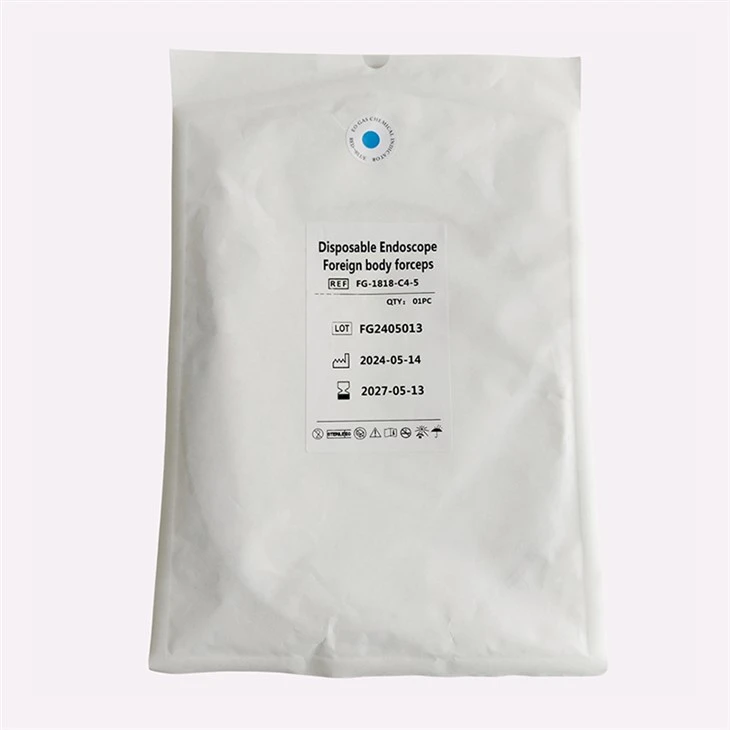
As an endoscopy treatment supplier, we play a crucial role in providing high - quality, properly sterilized equipment. All endoscopy instruments, such as the Foreign Body Forceps for Endoscopy, Endoscopic Cytology Brush, and Disposable Endoscopic Injection Needle, should be sterilized according to strict guidelines.
There are different methods of sterilization, including chemical sterilization and autoclaving. Chemical sterilization involves using disinfectants to kill microorganisms on the surface of the instruments. Autoclaving, on the other hand, uses high - pressure steam to achieve sterilization. The choice of sterilization method depends on the type of instrument and its material. For example, some delicate instruments may not be suitable for autoclaving and require chemical sterilization instead.
Staff Training
Medical staff involved in endoscopy treatment should receive comprehensive training on infection prevention. This includes proper hand hygiene techniques, such as washing hands with soap and water for at least 20 seconds or using alcohol - based hand sanitizers. Staff should also be trained on how to handle and sterilize equipment correctly to prevent cross - contamination.
2. Intra - procedure Precautions
Use of Barrier Devices
During the endoscopy procedure, barrier devices should be used to prevent the spread of infections. For example, disposable gloves, gowns, and masks should be worn by the medical staff. These barrier devices act as a physical barrier between the staff and the patient, reducing the risk of transmission of microorganisms.
Environmental Hygiene
The endoscopy room should be kept clean and disinfected before, during, and after each procedure. Surfaces such as examination tables, equipment controls, and countertops should be wiped down with disinfectants. The air in the room should also be properly ventilated to reduce the concentration of airborne microorganisms.
Single - use Items
Whenever possible, single - use items should be used in endoscopy treatment. Disposable items such as the Disposable Endoscopic Injection Needle eliminate the need for sterilization and reduce the risk of cross - contamination. However, it is important to ensure that these single - use items are of high quality and meet the necessary safety standards.

3. Post - procedure Care
Patient Monitoring
After the endoscopy treatment, patients should be closely monitored for any signs of infection, such as fever, pain, or redness at the insertion site. Early detection of infection allows for prompt treatment, which can prevent the infection from spreading and causing more serious complications.
Wound Care
If the endoscopy procedure involves a wound or incision, proper wound care is essential to prevent infection. Patients should be instructed on how to keep the wound clean and dry, and when to change the dressing. The medical staff should also provide clear instructions on signs of wound infection and when to seek medical attention.
Follow - up Appointments
Patients should be scheduled for follow - up appointments to ensure that they are recovering well and to detect any late - onset infections. During these appointments, the doctor can assess the patient's condition, perform necessary tests, and provide further advice on post - procedure care.
4. Role of the Supplier
As an endoscopy treatment supplier, we are committed to providing products that meet the highest standards of quality and safety. We work closely with medical institutions to ensure that our products are used correctly and that the necessary preventive measures are in place.
We offer a wide range of endoscopy products, including the Foreign Body Forceps for Endoscopy, Endoscopic Cytology Brush, and Disposable Endoscopic Injection Needle. Our products are designed to be easy to use, reliable, and safe, and they undergo strict quality control measures before being released to the market.
In addition to providing high - quality products, we also offer training and support to medical staff on the proper use and maintenance of our products. We believe that by working together with medical professionals, we can effectively prevent infections after endoscopy treatment and improve patient outcomes.
5. Contact for Procurement
If you are interested in purchasing our endoscopy treatment products or have any questions about infection prevention, please feel free to contact us. We are always ready to assist you in finding the right solutions for your needs. Our team of experts can provide detailed information about our products, pricing, and delivery options. We look forward to establishing a long - term partnership with you to ensure the safety and well - being of patients.
References
- Rutala WA, Weber DJ. Guideline for Disinfection and Sterilization in Healthcare Facilities, 2008.
- World Health Organization. Guidelines on Hand Hygiene in Health Care: First Global Patient Safety Challenge Clean Care is Safer Care.
- American Society for Gastrointestinal Endoscopy. Quality Improvement in Gastrointestinal Endoscopy.