

Hey there! As a medical consumables supplier, I've been in the thick of it when it comes to understanding the ins and outs of packaging requirements for these crucial products. In this blog, I'll share some key points about what those packaging requirements are and why they matter.
First off, let's talk about the importance of proper packaging for medical consumables. Medical consumables are used in a wide range of healthcare settings, from hospitals and clinics to home care. They need to be protected from damage, contamination, and other factors that could affect their quality and safety. That's where packaging comes in. Good packaging acts as a shield, keeping the products in top - notch condition until they reach the end - user.
One of the primary requirements for medical consumable packaging is sterility. Many medical consumables, like syringes, catheters, and surgical masks, need to be sterile when they're used. The packaging has to maintain this sterility. For example, sterile medical products are often packaged in materials that can be sterilized along with the product inside. This could be things like gamma - radiation - resistant plastics or ethylene oxide - permeable wraps. These materials are designed to allow the sterilization process to penetrate and kill any microorganisms, while also preventing new ones from getting in after sterilization.

Another important aspect is protection from physical damage. Medical consumables can be delicate. Take the Dental 20:1 Low Speed Contra Angle With Light Implant Dental Handpiece for instance. It's a precision instrument that can easily get damaged if it's not properly packaged. The packaging should cushion the product to protect it from impacts during shipping and handling. Foam inserts, bubble wrap, or custom - made molded plastic cases are commonly used to provide this kind of protection.
The packaging also needs to be tamper - evident. This is crucial for ensuring the integrity of the product. A tamper - evident seal shows if the package has been opened or tampered with before it reaches the user. For example, some packages have a peel - off seal with a pattern that breaks when the seal is removed. If the seal is broken, the user knows that the product might not be safe to use.
Now, let's talk about labeling. The packaging must have clear and accurate labels. The label should include important information such as the product name, model number, expiration date, usage instructions, and any warnings or precautions. For the Dental OEM Implant Instrument Box, the label might list all the instruments inside the box, their sizes, and how to properly clean and maintain them. This information is vital for the healthcare providers who use these products.
In addition to these basic requirements, there are also regulatory requirements. Different countries and regions have their own rules and standards for medical consumable packaging. For example, in the United States, the Food and Drug Administration (FDA) has strict regulations regarding the packaging of medical devices and consumables. These regulations cover everything from the materials used in the packaging to the information on the label. In Europe, the European Union's Medical Device Regulation (MDR) sets similar standards. As a supplier, I have to make sure that all our products' packaging complies with these regulations to be able to sell them in different markets.
When it comes to environmental considerations, more and more attention is being paid to sustainable packaging. Medical consumables generate a significant amount of waste, and using eco - friendly packaging materials can help reduce this impact. Some companies are starting to use biodegradable plastics or recycled materials in their packaging. For example, instead of using single - use plastic bags, we can use bags made from plant - based polymers that break down more easily in the environment.
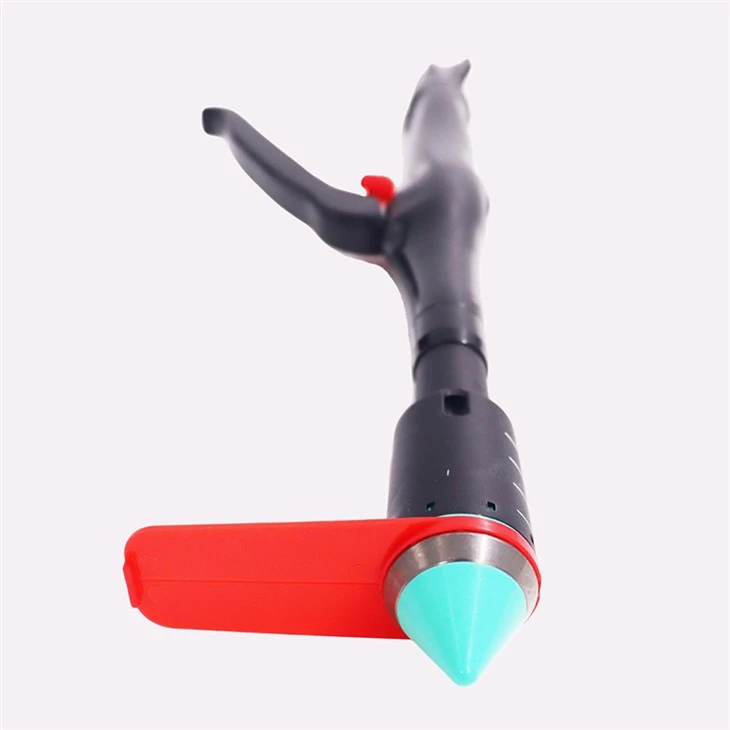
Let's also consider the ease of use of the packaging. Healthcare providers are often in a hurry, and they need to be able to access the medical consumables quickly and easily. The packaging should be designed in a way that allows for easy opening without the need for special tools. For example, a Disposable Medical PPH Hemorrhoid Stapler should come in a package that can be opened with one hand if possible, so that the user can quickly get to the stapler when it's needed.
Another factor is the size and shape of the packaging. It should be optimized for storage and transportation. If the packaging is too large or bulky, it can increase shipping costs and take up more space in storage facilities. On the other hand, if it's too small, it might not provide adequate protection for the product. So, finding the right balance is key.
As a medical consumables supplier, I'm always looking for ways to improve our packaging. We conduct regular quality control checks to make sure that the packaging meets all the requirements. We also listen to feedback from our customers, who are on the front lines of using these products. Their insights are invaluable in helping us make the necessary adjustments to our packaging.
If you're in the market for high - quality medical consumables with packaging that meets all the right requirements, I'd love to have a chat with you. Whether you're a hospital administrator, a clinic owner, or a healthcare provider, we can work together to find the best solutions for your needs. Contact me to start the procurement process and let's get your facility stocked with top - notch medical consumables.
References
- U.S. Food and Drug Administration (FDA) regulations on medical device packaging
- European Union Medical Device Regulation (MDR) regarding packaging requirements
- Industry research on sustainable packaging solutions for medical consumables