

High speed handpieces are essential tools in modern dentistry, known for their precision and efficiency. As a supplier of high speed handpieces, I understand the importance of the materials used in their construction. These materials not only determine the performance and durability of the handpieces but also influence patient comfort and safety. In this blog, I will explore the various materials commonly used in high speed handpieces and their unique properties.
1. Metals
Metals are widely used in high speed handpieces due to their strength, durability, and machinability.
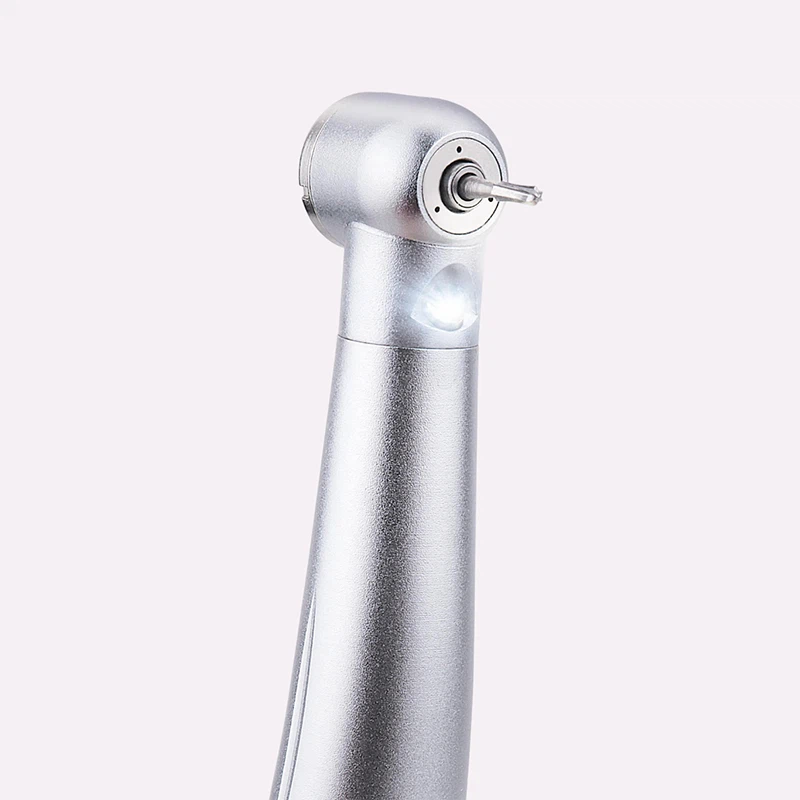

Stainless Steel
Stainless steel is one of the most common metals used in the construction of high speed handpieces. It offers excellent corrosion resistance, which is crucial in a dental environment where the handpieces are frequently exposed to water, saliva, and disinfectants. Stainless steel is also strong and can withstand the high rotational speeds and forces generated by the handpiece. The outer casing of many high speed handpieces is made of stainless steel, providing a robust and hygienic enclosure for the internal components.
Titanium
Titanium is another metal that is increasingly being used in high speed handpieces. It is known for its high strength - to - weight ratio, which means that handpieces made with titanium can be lighter without sacrificing strength. This is beneficial for dentists, as it reduces hand fatigue during long procedures. Titanium is also biocompatible, which is important as it comes into contact with the patient's mouth. Some high - end high speed handpieces use titanium for the turbine housing or other critical components.
2. Ceramics
Ceramics have unique properties that make them suitable for certain parts of high speed handpieces.
Zirconia
Zirconia is a type of ceramic that is commonly used in the turbine rotors of high speed handpieces. It has excellent wear resistance, which allows the turbine to maintain its performance over a long period of time. Zirconia also has a low coefficient of friction, which means that the turbine can rotate more smoothly and efficiently. This results in less heat generation during operation, which is beneficial for both the handpiece and the patient.
Alumina
Alumina is another ceramic material used in high speed handpieces. It is known for its high hardness and chemical stability. Alumina can be used in bearings or other components that require high wear resistance and dimensional stability. The use of alumina in these parts helps to improve the overall reliability and lifespan of the handpiece.
3. Plastics
Plastics are used in high speed handpieces for various reasons, including cost - effectiveness and design flexibility.
Polycarbonate
Polycarbonate is a strong and transparent plastic that is often used in the construction of the handpiece's light guide. It allows light to pass through efficiently, which is important for procedures that require good visibility. Polycarbonate is also impact - resistant, which helps to protect the light guide from damage during normal use.
Acrylonitrile Butadiene Styrene (ABS)
ABS is a common plastic used in the handles of high speed handpieces. It is easy to mold into complex shapes, which allows for ergonomic designs that are comfortable for dentists to hold. ABS is also relatively inexpensive, which helps to keep the cost of the handpiece down.
4. Composite Materials
Composite materials combine the properties of different materials to achieve specific performance characteristics.
Fiber - Reinforced Composites
Fiber - reinforced composites are sometimes used in high speed handpieces to improve the strength and stiffness of certain components. For example, carbon fiber - reinforced composites can be used in the turbine housing to reduce weight while maintaining high strength. These composites are also resistant to fatigue, which is important as the handpiece is subjected to repeated stress during operation.
The Impact of Materials on Handpiece Performance
The choice of materials has a significant impact on the performance of high speed handpieces. Handpieces made with high - quality materials tend to have better durability, reliability, and performance. For example, a handpiece with a zirconia turbine rotor will likely have a longer lifespan and more consistent performance compared to one with a rotor made of a less wear - resistant material.
In addition, the materials used can affect the comfort of the dentist and the patient. Lighter materials such as titanium and certain plastics can reduce hand fatigue for the dentist, while materials that generate less heat during operation can improve patient comfort.
Our High Speed Handpieces
As a supplier of high speed handpieces, we offer a range of products that utilize the latest materials and technologies. Our LED E - generator Handpiece features a high - performance LED light source and is constructed with high - quality materials for optimal performance. The turbine rotor is made of zirconia for excellent wear resistance, and the outer casing is made of stainless steel for durability and hygiene.
Our Three - point Water Spray Air Turbine Ceramic High Speed Handpiece is another popular product. It uses ceramic materials in the turbine and other critical components, providing smooth and efficient operation. The three - point water spray system helps to keep the tooth and the handpiece cool during operation, reducing the risk of thermal damage.
We also offer the Dental Handpiece Three - point Water Spray Dental High Speed Handpiece, which is designed with patient comfort and dentist convenience in mind. The handle is made of a comfortable and ergonomic plastic material, and the internal components are made of high - quality metals and ceramics for reliable performance.
Contact Us for Procurement
If you are interested in our high speed handpieces, we invite you to contact us for procurement. We are committed to providing high - quality products and excellent customer service. Whether you are a small dental clinic or a large dental hospital, we have the right high speed handpiece solutions for you. Our team of experts can help you choose the most suitable handpieces based on your specific needs and budget.
References
- Ruyter, I. E. (1997). Dental Materials Science. Quintessence Publishing Co., Inc.
- Powers, J. M., & Wataha, J. C. (2013). Craig's Restorative Dental Materials. Elsevier Health Sciences.
- Anusavice, K. J., Shen, C., & Rawls, H. R. (2013). Phillips' Science of Dental Materials. Elsevier Health Sciences.