

Hey there! As a wound therapy supplier, I've seen firsthand the different approaches to treating wounds, especially when it comes to wet and dry wound therapy. Let's dive into the differences between these two methods.
Basics of Wet Wound Therapy
Wet wound therapy, also known as moist wound healing, has gained a lot of popularity in recent years. The fundamental idea behind it is to keep the wound environment moist. This is achieved by using dressings that can hold moisture, like hydrogels, hydrocolloids, and alginate dressings.
One of the biggest advantages of wet wound therapy is that it promotes faster healing. When the wound is kept moist, the cells responsible for healing, like fibroblasts and keratinocytes, can move more easily across the wound bed. This means that the wound can close up quicker. It also helps in reducing pain. You see, a moist environment can prevent nerve endings from being exposed, which can be quite painful in a dry wound.
Another great thing about wet wound therapy is that it can reduce scarring. The moist conditions allow for a more organized growth of new tissue, which results in less scar formation. Plus, it can handle wound exudate (that's the fluid that comes out of the wound) really well. Dressings used in wet therapy can absorb and manage this fluid, preventing maceration (softening and breaking down of the skin around the wound) and infection.

For example, if you're dealing with a burn wound, using a hydrogel dressing can create a cool, moist environment that not only soothes the pain but also speeds up the healing process. And here at our supply, we offer some great products for wet wound therapy. Check out our Medical Bandage Fast Hemostatic Trauma Gauze Bandage. It's not only great for fast hemostasis but can also help maintain a moist wound environment.
Basics of Dry Wound Therapy
On the other hand, dry wound therapy has been around for a long time. It's the traditional approach where the wound is left to dry out. The main idea is to form a scab over the wound, which acts as a natural barrier against bacteria and other contaminants.
Dry wound therapy is often used for minor cuts and abrasions. It's simple and doesn't require a lot of specialized dressings. You can just use a basic dry gauze or a band - aid. This method is also easy to manage at home. You don't have to worry too much about changing dressings frequently or dealing with a lot of wound exudate.
However, dry wound therapy also has its drawbacks. A scab can actually slow down the healing process. The cells that need to migrate across the wound bed have a harder time moving through the scab. This can lead to a longer healing time. Also, when the scab eventually falls off, there's a higher chance of scarring. The new tissue that forms under the scab may not be as well - organized as in a moist environment.
In some cases, a dry wound can also become infected more easily. Without the proper moisture to keep the wound clean and to support the body's natural defense mechanisms, bacteria can thrive on the dry surface.
Comparing the Two in Terms of Healing Time
When it comes to healing time, wet wound therapy usually wins. As I mentioned earlier, the moist environment allows cells to move freely and promotes faster tissue regeneration. Studies have shown that wounds treated with wet wound therapy can heal up to 50% faster than those treated with dry wound therapy. This is a huge difference, especially for patients who are eager to get back to their normal lives.
For example, a diabetic foot ulcer is a serious wound that can take a long time to heal. Using wet wound therapy with appropriate dressings can significantly reduce the healing time and lower the risk of complications like amputation. We have a great product for this kind of situation, the Wound Negative Pressure Drainage Bottle Tube Set. It helps in removing excess fluid from the wound and creating a moist, healing - friendly environment.
Comparing the Two in Terms of Infection Risk
Infection is a major concern when it comes to wound care. Wet wound therapy has an edge here as well. The moist environment supports the body's immune system. White blood cells can move more easily through the moist wound bed to fight off bacteria. Also, the dressings used in wet therapy can be antibacterial or can be combined with antibacterial agents.
In dry wound therapy, the scab may seem like a good barrier, but it can actually trap bacteria inside the wound. Once the scab is removed, the bacteria can spread, leading to an infection. And since the healing is slower in dry wounds, there's more time for bacteria to multiply.
Comparing the Two in Terms of Patient Comfort
Patient comfort is another important factor. Wet wound therapy is generally more comfortable for patients. The moist environment soothes the pain and irritation associated with the wound. Patients don't have to deal with the tightness and pulling that can happen when a scab forms in dry wound therapy.
Changing dressings in wet wound therapy can also be less painful. Since the dressings don't stick to the wound as much as dry gauze can, there's less trauma to the new tissue when the dressing is removed.
Cost Considerations
Cost is always a factor in healthcare. Dry wound therapy is usually cheaper. You can get basic dry gauze and band - aids at a relatively low cost. However, when you consider the longer healing time and the potential for complications in dry wound therapy, the overall cost may end up being higher.
Wet wound therapy may require more expensive dressings, but the faster healing and lower risk of complications can actually save money in the long run. For example, avoiding a costly hospital stay due to a wound infection can offset the initial cost of the wet - wound dressings.
When to Choose Each Method
So, when should you choose wet wound therapy and when should you choose dry wound therapy? For minor cuts and abrasions that are clean and not too deep, dry wound therapy can be a good option. It's simple, cost - effective, and easy to manage at home.
But for more serious wounds like burns, diabetic ulcers, and surgical wounds, wet wound therapy is usually the better choice. These wounds need a more controlled environment to heal properly, and wet wound therapy can provide that.
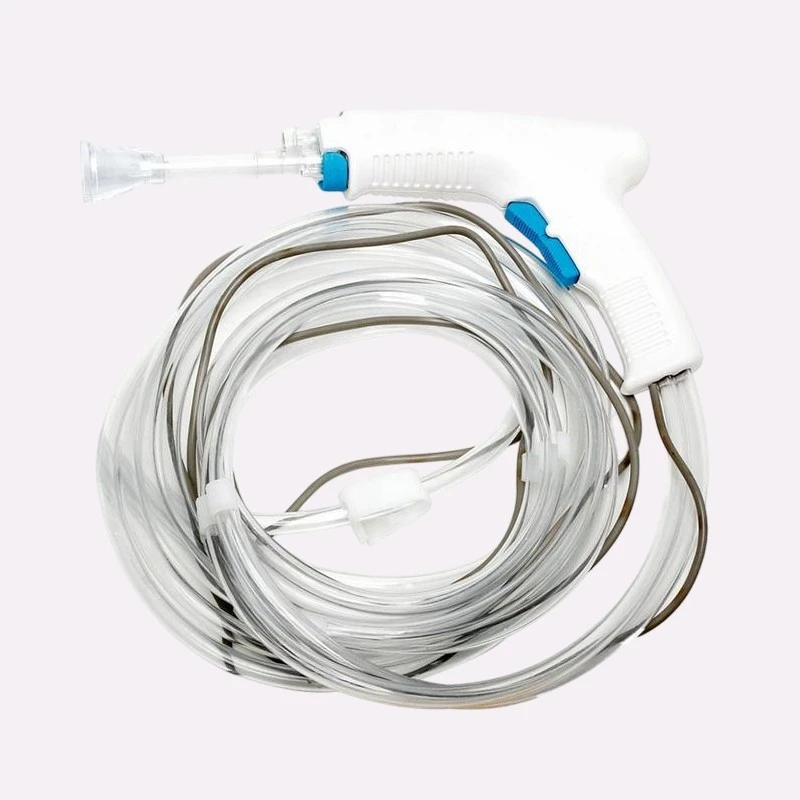
We also offer a Lavage Washing System Disposable Pulse Lavage, which can be used in both wet and dry wound therapy. It helps in cleaning the wound effectively, which is crucial for preventing infection.
Conclusion
In conclusion, both wet and dry wound therapy have their place in wound care. However, wet wound therapy offers many advantages in terms of healing time, infection risk, and patient comfort. As a wound therapy supplier, we're committed to providing high - quality products for both methods.
If you're in the market for wound therapy products, whether it's for a hospital, a clinic, or for personal use, we'd love to talk to you. We can offer expert advice on which products are best for your specific needs. Contact us to start a procurement discussion and let's work together to provide the best wound care solutions.
References
- "Wound Healing: An Overview of Acute, Fibrotic and Delayed Healing." Journal of Clinical and Diagnostic Research.
- "Moist Wound Healing: A Systematic Review of the Evidence." British Journal of Nursing.
- "Comparison of Dry and Wet Wound Healing in Experimental Wounds." Journal of Wound Care.