

In the field of endoscopy, the choice between single - use and reusable endoscopic spray catheters is a critical decision that can impact patient safety, cost - effectiveness, and overall clinical outcomes. As a leading supplier of endoscopic spray catheters, I am well - versed in the nuances of these two types of products. In this blog, I will explore the key differences between single - use and reusable endoscopic spray catheters.
Design and Manufacturing
Single - use endoscopic spray catheters are designed with a focus on convenience and sterility. They are typically manufactured in large quantities using automated processes, which ensures consistent quality and reduces the risk of manufacturing defects. These catheters are pre - sterilized and come in a sealed package, ready for immediate use. The materials used in single - use catheters are often chosen for their disposability and biocompatibility. For example, many single - use catheters are made from medical - grade plastics that are lightweight and flexible, allowing for easy navigation through the endoscope channels.
On the other hand, reusable endoscopic spray catheters are built to withstand multiple uses. They are usually made from more durable materials such as stainless steel or high - quality polymers. The manufacturing process for reusable catheters is more complex, as they need to be designed to be easily cleaned and re - sterilized. The construction of reusable catheters often includes features that facilitate thorough cleaning, such as smooth surfaces and detachable components.
Sterility and Infection Control
One of the most significant differences between single - use and reusable endoscopic spray catheters lies in the area of sterility and infection control. Single - use catheters offer a high level of sterility assurance. Since they are used only once and then discarded, there is no risk of cross - contamination between patients. This is particularly important in endoscopy, where the risk of transmitting infectious agents is a major concern. The pre - sterilized packaging of single - use catheters ensures that they are free from bacteria, viruses, and other pathogens at the time of use.
Reusable catheters, however, require a rigorous cleaning and re - sterilization process between uses. While proper reprocessing can effectively eliminate pathogens, there is always a small risk of incomplete sterilization. Factors such as improper cleaning, malfunctioning sterilization equipment, or human error can lead to the survival of infectious agents on the catheter. This can potentially result in cross - infection between patients. To mitigate these risks, healthcare facilities must have strict protocols in place for the cleaning, disinfection, and sterilization of reusable catheters.
Cost - Effectiveness
Cost is an important consideration for healthcare providers when choosing between single - use and reusable endoscopic spray catheters. At first glance, single - use catheters may seem more expensive, as they need to be purchased for each procedure. However, when all costs are taken into account, the picture becomes more complex.
Single - use catheters eliminate the need for the time - consuming and costly process of cleaning, re - sterilizing, and maintaining reusable catheters. There are no additional costs associated with purchasing cleaning agents, sterilization equipment, or paying for the labor required for reprocessing. Moreover, the risk of cross - infection is significantly reduced, which can lead to cost savings in terms of treating potential infections and avoiding legal liabilities.
Reusable catheters, while having a higher upfront cost, can be more cost - effective in the long run if they are used frequently. The cost per use decreases as the number of procedures increases. However, healthcare facilities need to carefully evaluate the total cost of ownership, including the cost of reprocessing, replacement parts, and the potential cost of dealing with infection - related issues.
Performance and Functionality
In terms of performance and functionality, both single - use and reusable endoscopic spray catheters are designed to deliver a reliable spray of medication or other substances during endoscopic procedures. However, there are some differences that may affect their suitability for specific applications.
Single - use catheters are often designed to be easy to use, with simple and intuitive features. They are typically pre - loaded and ready to go, which can save time during a procedure. The spray pattern and flow rate of single - use catheters are carefully calibrated to ensure consistent and effective delivery of the sprayed substance.
Reusable catheters, on the other hand, may offer more flexibility in terms of customization. Since they are built to last, they can be modified or adjusted to meet the specific needs of different procedures. For example, some reusable catheters allow for the attachment of different types of spray nozzles or the adjustment of the spray angle. However, this flexibility may come at the cost of a more complex user interface, which may require additional training for healthcare providers.
Environmental Impact
The environmental impact of single - use and reusable endoscopic spray catheters is also an important consideration. Single - use catheters contribute to medical waste generation. The large volume of disposable plastic and other materials used in single - use catheters can put a strain on landfills and the environment. However, many manufacturers are now taking steps to reduce the environmental impact of single - use products by using more sustainable materials and implementing recycling programs.
Reusable catheters, by their nature, generate less waste. Since they are used multiple times, the amount of material sent to landfills is significantly reduced. However, the cleaning and re - sterilization processes for reusable catheters consume energy and water, and the use of cleaning agents can also have an environmental impact.
Related Products in Endoscopy
In the field of endoscopy, there are several other related products that are worth mentioning. For example, Endoscopic Snare Polypectomy is a common procedure that uses a specialized snare to remove polyps during endoscopy. This procedure often requires the use of endoscopic instruments that are designed to work in conjunction with the endoscope.
Another important product is the Surgical Instruments Disposable Endoscope Sampling Forceps. These forceps are used to obtain tissue samples during endoscopic procedures, which can be crucial for diagnosis. They are available in both single - use and reusable options, each with their own advantages and disadvantages similar to those of endoscopic spray catheters.
The Endoscopic Cytology Brush is also a valuable tool in endoscopy. It is used to collect cells from the surface of tissues for cytological examination. Like other endoscopic instruments, the choice between single - use and reusable cytology brushes depends on factors such as sterility, cost, and performance.
Conclusion
In conclusion, the choice between single - use and reusable endoscopic spray catheters depends on a variety of factors, including sterility requirements, cost - effectiveness, performance needs, and environmental considerations. Single - use catheters offer the advantages of high sterility assurance, ease of use, and reduced risk of cross - infection, while reusable catheters can be more cost - effective in the long run and may offer more customization options.
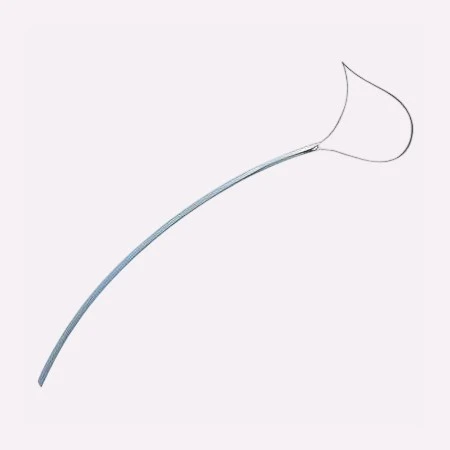

As a supplier of endoscopic spray catheters, we understand the importance of providing high - quality products that meet the diverse needs of healthcare providers. Whether you are looking for a single - use or reusable solution, we can offer a range of options to suit your specific requirements. If you are interested in learning more about our endoscopic spray catheters or would like to discuss your procurement needs, please feel free to reach out to us. We are committed to providing excellent customer service and helping you make the best choice for your endoscopy practice.
References
- American Society for Gastrointestinal Endoscopy. (Year). Guidelines for reprocessing flexible gastrointestinal endoscopes and accessories.
- Centers for Disease Control and Prevention. (Year). Infection prevention in endoscopy.
- Manufacturer's product manuals for single - use and reusable endoscopic spray catheters.