

Hey there! As a wound therapy supplier, I've seen firsthand the amazing benefits of using natural products in wound treatment. In this blog, I'm gonna share with you why natural products are a game - changer in wound therapy.

1. Reduced Risk of Allergic Reactions
One of the biggest advantages of natural products in wound therapy is the significantly lower risk of allergic reactions. Many synthetic wound - care products contain chemicals and additives that can trigger allergic responses in some people. For example, certain antibiotics or preservatives in traditional wound dressings might cause itching, rashes, or more severe allergic symptoms.
On the other hand, natural products like honey, aloe vera, and tea tree oil are derived from nature. Honey, for instance, has been used for wound healing for centuries. It's full of antioxidants, enzymes, and antibacterial properties. Since it's a natural substance, most people can tolerate it well without the fear of an allergic episode. Aloe vera, known for its soothing properties, also rarely causes allergic reactions. It can help reduce inflammation and promote the healing process in a gentle way.
2. Antibacterial and Antifungal Properties
Natural products are often packed with powerful antibacterial and antifungal agents. Take tea tree oil as an example. It has strong antiseptic properties that can help prevent wound infections. When applied to a wound, tea tree oil can kill a wide range of bacteria and fungi, including Staphylococcus aureus, which is a common cause of wound infections.
Honey is another great natural antibacterial agent. It creates an acidic environment in the wound, which is unfavorable for the growth of bacteria. Moreover, honey contains hydrogen peroxide, a well - known antiseptic. This natural antibacterial action can reduce the need for antibiotic treatments, which is especially important considering the growing problem of antibiotic resistance.
3. Promote Tissue Regeneration
Many natural products have the ability to stimulate tissue regeneration. Aloe vera is rich in polysaccharides, which can enhance the production of collagen. Collagen is a protein that plays a crucial role in wound healing as it helps in the formation of new tissue. When you apply aloe vera gel to a wound, it can speed up the healing process by promoting the growth of new skin cells and blood vessels.
Another natural product that promotes tissue regeneration is calendula. Calendula has been used in herbal medicine for its wound - healing properties. It can increase blood circulation to the wound area, bringing more oxygen and nutrients to the damaged tissues. This improved blood supply helps in the repair and regeneration of the affected area.
4. Moisture Retention
Maintaining the right level of moisture in a wound is essential for proper healing. Natural products can help with moisture retention. For example, honey has a high sugar content, which allows it to draw moisture from the surrounding environment and keep the wound moist. A moist wound environment is beneficial because it promotes cell migration, which is necessary for the formation of new tissue.
Some natural wound dressings, like those made from seaweed, also have excellent moisture - retaining properties. Seaweed - based dressings can absorb excess wound exudate while still keeping the wound surface moist. This balance of moisture helps prevent the wound from drying out, which can lead to scarring and delayed healing.
5. Biodegradability and Environmental Friendliness
In today's world, environmental concerns are more important than ever. Natural products used in wound therapy are often biodegradable. For example, many natural fibers used in wound dressings, such as cotton and bamboo, can break down naturally over time. This is a huge contrast to synthetic wound - care products, which often end up in landfills and take a long time to decompose.
As a wound therapy supplier, we're committed to offering environmentally friendly options. Our Medical Bandage Fast Hemostatic Trauma Gauze Bandage is made from high - quality natural materials that are not only effective in wound treatment but also kind to the environment.
6. Cost - Effectiveness
Natural products can also be cost - effective. Many natural ingredients used in wound therapy are readily available and inexpensive. For example, honey and aloe vera can be found in most grocery stores or pharmacies at a relatively low cost. This makes them an accessible option for both patients and healthcare providers.
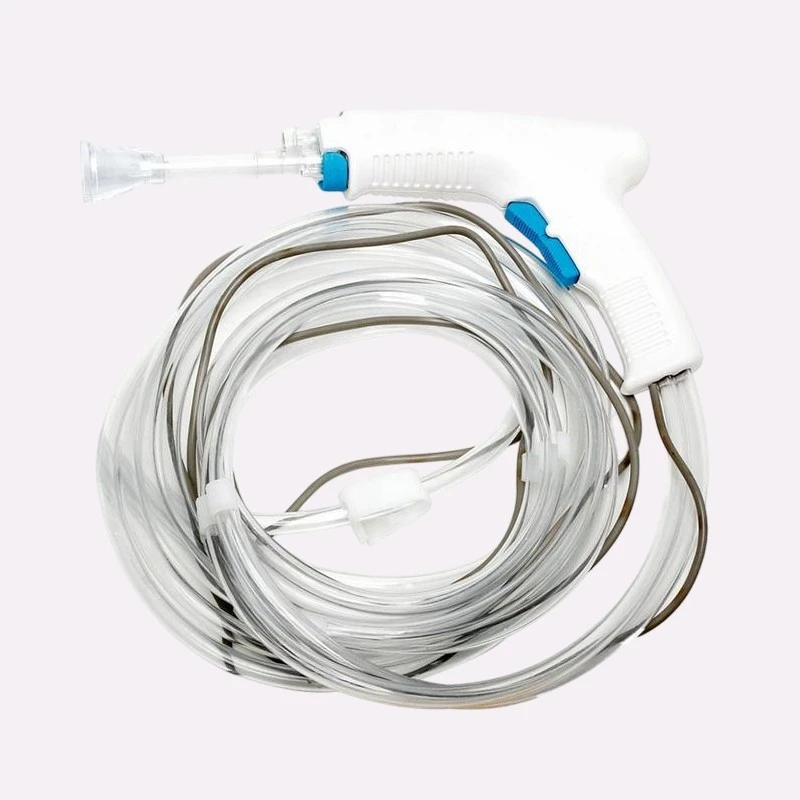
In comparison, some high - tech synthetic wound - care products can be quite expensive. By using natural products, we can provide effective wound treatment without breaking the bank. Our Lavage Washing System Disposable Pulse Lavage is designed to work in harmony with natural products, providing a cost - effective solution for wound cleaning.
7. Compatibility with the Body's Natural Healing Process
Natural products are more in tune with the body's natural healing mechanisms. They work in a way that complements the body's own processes rather than overriding them. For example, when using natural antibacterial agents like honey or tea tree oil, they enhance the body's immune response to fight off infections.
In contrast, some synthetic drugs might suppress the body's natural immune system in the long run. Natural products allow the body to heal in a more holistic and natural way, which can lead to better long - term results. Our Sports Wrap Cohesive Bandages Under Wrap Foam Bandages Wound Bandage is designed to be gentle on the skin and work with the body's natural healing process.
Contact Us for Procurement
If you're interested in incorporating natural products into your wound therapy solutions, we'd love to hear from you. Whether you're a healthcare provider, a distributor, or a retailer, we have a wide range of high - quality natural wound - care products to meet your needs. Get in touch with us to start a procurement discussion and discover how our products can make a difference in wound treatment.
References
- "Honey as a Wound Dressing: A Review of the Evidence" - Journal of Wound Care
- "Aloe Vera: A Review of its Therapeutic Properties" - Phytotherapy Research
- "Tea Tree Oil: Antimicrobial and Anti - inflammatory Properties" - International Journal of Aromatherapy