

Hey there! As a supplier of Endoscopic Snare Polypectomy equipment, I've seen firsthand how important it is to understand how these snare devices work. Endoscopic snare polypectomy is a common procedure used to remove polyps from the digestive tract, and it's crucial to get the ins and outs of the snare to ensure a successful operation. So, let's dive right in and explore how the snare functions in endoscopic snare polypectomy.
The Basics of Endoscopic Snare Polypectomy
First off, let's talk about what endoscopic snare polypectomy is all about. Polyps are abnormal growths that can develop in the lining of the digestive tract, such as the colon, stomach, or esophagus. While most polyps are benign, some can turn cancerous over time. That's where endoscopic snare polypectomy comes in. It's a minimally invasive procedure that allows doctors to remove polyps during an endoscopy.
An endoscopy is a procedure where a thin, flexible tube with a light and camera on the end (an endoscope) is inserted into the body through a natural opening, like the mouth or anus. This allows the doctor to see inside the digestive tract and identify any polyps. Once a polyp is found, the snare comes into play.
How the Snare Works
The snare is a key component of the endoscopic snare polypectomy procedure. It's essentially a thin wire loop that's attached to a long, flexible tube. The tube is inserted through the working channel of the endoscope, and the snare is advanced until it reaches the polyp.
Placement
The first step is to carefully position the snare around the base of the polyp. This requires skill and precision on the part of the doctor. They need to make sure the snare is centered and completely encircles the polyp at its base. This is important because if the snare is not placed correctly, the polyp may not be removed completely, or there could be a risk of bleeding.
Tightening
Once the snare is in place around the polyp, the doctor starts to tighten the wire loop. As the loop tightens, it cuts off the blood supply to the polyp. This is crucial because it helps to minimize bleeding during the removal process. The tightening action is usually controlled by a mechanism at the end of the tube outside the body.
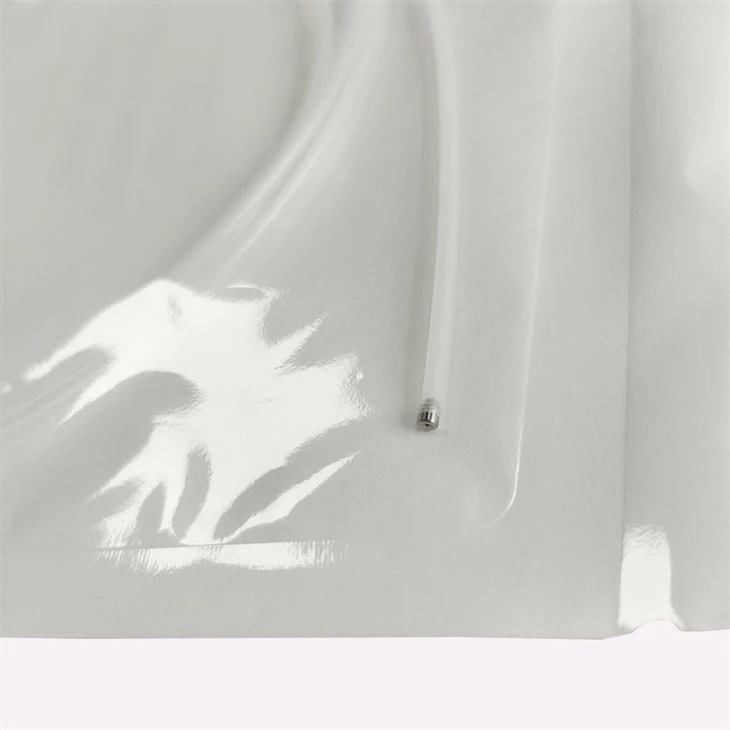

Cutting
After the snare is tightened around the polyp, an electrical current is applied to the wire. This is called electrocautery. The electrical current heats up the wire, which then cuts through the tissue of the polyp. The heat also helps to seal the blood vessels at the base of the polyp, further reducing the risk of bleeding.
Retrieval
Once the polyp is cut off, it can be retrieved from the body. The snare can be used to grasp the polyp and pull it out through the working channel of the endoscope. Sometimes, additional tools may be needed to ensure the polyp is safely removed.
Types of Snares
There are different types of snares available for endoscopic snare polypectomy, each with its own features and benefits.
Cold Snares
Cold snares are used without the application of an electrical current. They are typically used for smaller polyps. The cold snare simply cuts through the polyp tissue mechanically. One advantage of cold snares is that they may be associated with less risk of thermal injury to the surrounding tissue.
Hot Snares
Hot snares, as the name suggests, use an electrical current (electrocautery) to cut through the polyp. They are more commonly used for larger polyps. The heat from the electrocautery helps to seal the blood vessels and cut through the tissue more effectively. However, there is a slightly higher risk of thermal injury to the surrounding tissue compared to cold snares.
Advantages of Using a Snare in Endoscopic Polypectomy
Using a snare in endoscopic polypectomy offers several advantages.
Minimally Invasive
Endoscopic snare polypectomy is a minimally invasive procedure. It doesn't require large incisions, which means less pain, a shorter recovery time, and fewer complications compared to traditional surgical methods.
Precise Removal
The snare allows for precise removal of the polyp. The doctor can carefully target the base of the polyp and remove it without causing unnecessary damage to the surrounding tissue.
Reduced Bleeding
As mentioned earlier, the snare helps to cut off the blood supply to the polyp and seal the blood vessels during the removal process. This significantly reduces the risk of bleeding, which is a major concern during any surgical procedure.
Related Products
In addition to snares, there are other useful products for endoscopic procedures. For example, Disposable Medical Surgery Hot Biopsy Forceps can be used to obtain tissue samples during an endoscopy. These forceps are designed to be disposable, which helps to reduce the risk of cross - contamination.
Foreign Body Forceps for Endoscopy are another useful tool. They can be used to remove foreign objects that may be present in the digestive tract.
And if you need to apply medications or substances inside the digestive tract during an endoscopy, Endoscopic Spray Catheter is a great option. It allows for precise spraying of solutions.
Conclusion
Understanding how the snare works in endoscopic snare polypectomy is essential for both medical professionals and those interested in the field. The snare is a simple yet effective tool that plays a crucial role in removing polyps safely and efficiently during an endoscopy.
If you're in the market for high - quality endoscopic snare polypectomy equipment or any of the related products I mentioned, we're here to help. We offer a wide range of reliable and innovative products that can meet your needs. Whether you're a hospital, a clinic, or a medical professional, we'd love to have a chat with you about your requirements. Don't hesitate to reach out for a discussion on how we can supply you with the best endoscopic solutions.
References
- Kudo S, Chayama K, Yao K, et al. Japanese guidelines for colorectal endoscopic submucosal dissection and endoscopic mucosal resection 2014. Dig Endosc. 2015;27(1):1 - 15.
- Rex DK, Boland CR, Dominitz JA, et al. American College of Gastroenterology guidelines for colorectal cancer screening 2008. Am J Gastroenterol. 2009;104(3):739 - 750.