

Endoscopic cytology brushes are essential tools in the field of medical diagnostics, particularly when it comes to detecting cancer. As a leading supplier of endoscopic cytology brushes, I have witnessed firsthand the impact these devices can have on early cancer detection and patient treatment. In this blog post, I will explore the effectiveness of endoscopic cytology brushes in detecting cancer, discuss their benefits, and provide insights into how they fit into the broader landscape of cancer diagnosis.
How Endoscopic Cytology Brushes Work
Endoscopic cytology brushes are thin, flexible instruments designed to collect cells from the surface of tissues during an endoscopic procedure. The brush is inserted through the working channel of an endoscope, which is a long, flexible tube equipped with a light and a camera. Once the endoscope is positioned near the area of interest, the brush is extended and gently rubbed against the tissue surface to collect cells. These cells are then smeared onto a glass slide, stained, and examined under a microscope by a pathologist.
The process of collecting cells using an endoscopic cytology brush is relatively quick and minimally invasive compared to other biopsy techniques. It allows for the sampling of cells from hard-to-reach areas, such as the lining of the digestive tract, respiratory system, or urinary tract. By obtaining a direct sample of cells, doctors can evaluate their appearance and characteristics to determine if they are cancerous or precancerous.
Can an Endoscopic Cytology Brush Detect Cancer?
The short answer is yes, an endoscopic cytology brush can detect cancer. However, its effectiveness depends on several factors, including the type and location of the cancer, the skill of the endoscopist performing the procedure, and the expertise of the pathologist analyzing the samples.
In many cases, endoscopic cytology brushes can provide valuable information about the presence of cancer cells. For example, in the diagnosis of lung cancer, cytology brushes can be used to collect cells from the bronchial tree during a bronchoscopy. These samples can help identify the type of lung cancer (e.g., non-small cell lung cancer or small cell lung cancer) and guide treatment decisions.
Similarly, in the digestive system, endoscopic cytology brushes can be used to sample cells from the esophagus, stomach, or colon. This can be particularly useful in detecting early-stage cancers, which may not be visible on imaging studies or endoscopy alone. By detecting cancer at an early stage, patients may have a better prognosis and more treatment options available to them.
However, it's important to note that endoscopic cytology brushes are not always able to detect cancer with 100% accuracy. In some cases, the sample may not contain enough cells or may be of poor quality, making it difficult for the pathologist to make a definitive diagnosis. Additionally, certain types of cancer may be more difficult to detect using a cytology brush, especially if the cancer cells are located deep within the tissue or have a subtle appearance.
Benefits of Using Endoscopic Cytology Brushes
Despite their limitations, endoscopic cytology brushes offer several benefits in the detection of cancer:
- Minimally Invasive: Endoscopic cytology brushes are a minimally invasive alternative to traditional surgical biopsies. They can be performed during an endoscopic procedure, which is generally well-tolerated by patients and requires less recovery time.
- Targeted Sampling: Endoscopic cytology brushes allow for the targeted sampling of cells from specific areas of interest. This can help doctors obtain a more accurate diagnosis and avoid unnecessary biopsies of healthy tissue.
- Rapid Results: The results of a cytology brush examination can often be obtained relatively quickly, usually within a few days. This allows for prompt treatment decisions and can help reduce patient anxiety.
- Cost-Effective: Compared to other diagnostic tests, endoscopic cytology brushes are relatively cost-effective. They can provide valuable information at a lower cost, making them a practical option for many patients.
Complementary Tools in Cancer Diagnosis
While endoscopic cytology brushes are a valuable tool in cancer diagnosis, they are often used in conjunction with other diagnostic tests to provide a more comprehensive evaluation. These may include:

- Imaging Studies: Imaging studies, such as CT scans, MRI scans, or PET scans, can help identify the location and extent of a tumor. They can also provide information about the surrounding tissues and organs, which can be useful in determining the stage of the cancer.
- Biopsy: In some cases, a surgical biopsy may be necessary to obtain a larger sample of tissue for more detailed analysis. This can be particularly useful if the cytology brush results are inconclusive or if a more definitive diagnosis is needed.
- Molecular Testing: Molecular testing can be used to analyze the genetic makeup of cancer cells. This can provide information about the specific mutations or abnormalities present in the tumor, which can help guide treatment decisions.
Our Range of Endoscopic Products
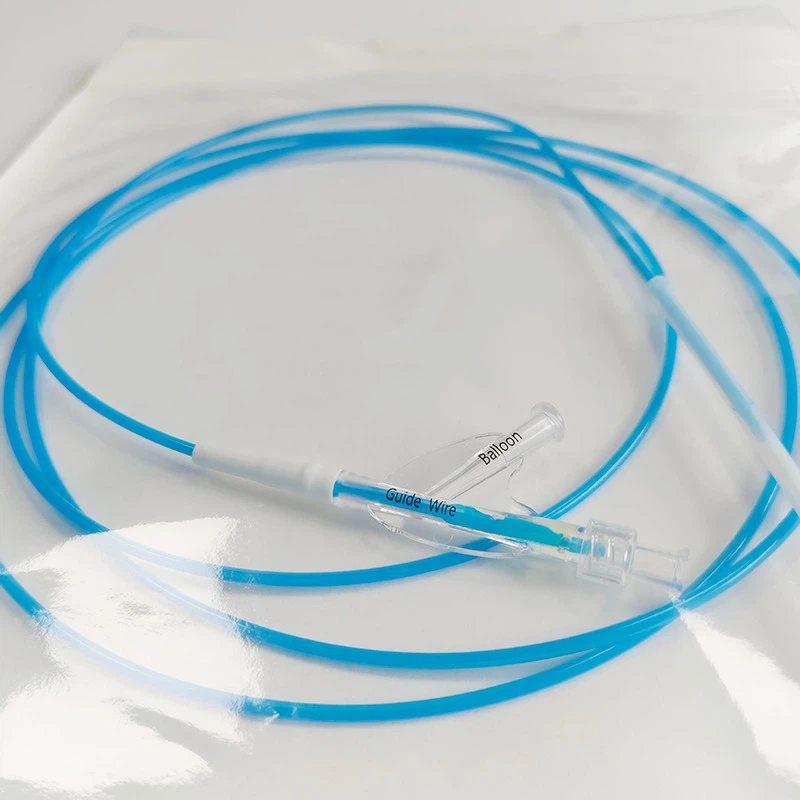
As a supplier of endoscopic cytology brushes, we also offer a wide range of other endoscopic products to meet the diverse needs of our customers. These include Disposable Medical Surgery Hot Biopsy Forceps, Endoscopic Stone Removal Basket, and Medical Medical Balloon Dilatation Dilation Balloon Catheter.
Our products are designed to meet the highest standards of quality and performance. They are made from high-quality materials and are rigorously tested to ensure their safety and effectiveness. Whether you are a healthcare provider looking for reliable endoscopic tools or a patient in need of diagnostic testing, we are committed to providing you with the best products and services.
Contact Us for Procurement and Discussion
If you are interested in learning more about our endoscopic cytology brushes or other endoscopic products, or if you have any questions or concerns, please do not hesitate to contact us. We are here to assist you with your procurement needs and to provide you with the information and support you need to make informed decisions.
Our team of experts is available to answer your questions, provide product demonstrations, and discuss your specific requirements. We understand that every customer is unique, and we are committed to providing personalized solutions that meet your needs.
References
- American Cancer Society. (Year). Cancer Facts & Figures. Retrieved from [Website URL]
- National Cancer Institute. (Year). SEER Cancer Statistics Review, 1975 - 20XX. Retrieved from [Website URL]
- World Health Organization. (Year). Global Cancer Observatory: Cancer Today. Retrieved from [Website URL]