

Hey there! As a supplier of low speed handpieces, I've seen firsthand the importance of choosing the right burs for these handy tools. Low speed handpieces are used in a variety of dental procedures, from simple fillings to more complex restorations. And the type of bur you use can make a big difference in the outcome of the procedure. So, let's dive into the different types of burs commonly used with low speed handpieces.
Carbide Burs
Carbide burs are probably the most widely used type of burs in dental practices. They're made from tungsten carbide, which is an extremely hard and durable material. This makes carbide burs great for cutting through hard tooth structure, like enamel and dentin.
One of the main advantages of carbide burs is their sharpness. They can make clean, precise cuts, which is essential for creating accurate preparations for fillings and crowns. Carbide burs also come in a variety of shapes and sizes, so you can choose the one that's best suited for the specific procedure you're performing.
For example, round carbide burs are often used for initial cavity preparation, as they can quickly remove decayed tooth material. Flame-shaped carbide burs, on the other hand, are great for finishing and smoothing the walls of the cavity. You can check out our Internal Series Dental Handpiece which works great with these carbide burs to provide a smooth and efficient cutting experience.
Diamond Burs
Diamond burs are another popular choice for low speed handpieces. These burs are coated with diamond particles, which gives them a very abrasive surface. Diamond burs are particularly useful for cutting through hard materials like porcelain and ceramic, as well as for finishing and polishing tooth surfaces.
One of the benefits of diamond burs is their ability to create a very smooth finish. This is important when working on restorations, as it helps to ensure a good fit and a natural-looking appearance. Diamond burs also tend to generate less heat than carbide burs, which can be beneficial for the patient's comfort.
There are different types of diamond burs available, including coarse, medium, and fine grits. Coarse diamond burs are used for rapid material removal, while fine grit diamond burs are used for final polishing. Our Dental Low Speed Handpiece Motor provides the right amount of power and control when using diamond burs, ensuring a high-quality result.
Steel Burs
Steel burs are a more traditional type of bur that are still used in some dental procedures. They're made from high-speed steel, which is a relatively hard and durable material. Steel burs are typically used for softer tooth materials, such as dentin and cementum.
One of the advantages of steel burs is their affordability. They're generally less expensive than carbide and diamond burs, which can make them a cost-effective option for some dental practices. However, steel burs tend to dull more quickly than carbide and diamond burs, so they may need to be replaced more frequently.
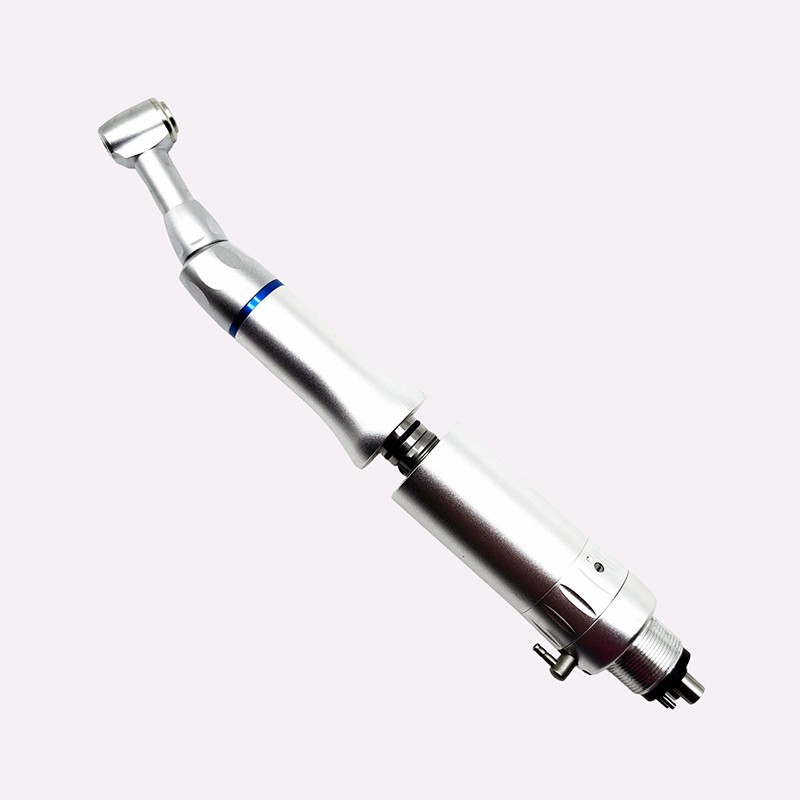
Steel burs come in a variety of shapes and sizes, similar to carbide burs. They can be used for a range of procedures, from cavity preparation to finishing and smoothing. You can pair our Low Speed Dental External Series Handpiece with steel burs for a reliable and efficient performance.

Tungsten Burs
Tungsten burs are a specialized type of bur that are used in certain dental procedures. They're made from tungsten, which is a very dense and heavy metal. Tungsten burs are particularly useful for cutting through hard materials like amalgam and gold.
One of the benefits of tungsten burs is their strength and durability. They can withstand high levels of stress and wear, which makes them ideal for long-term use. Tungsten burs also have a very sharp cutting edge, which allows for precise and efficient material removal.
However, tungsten burs are more expensive than other types of burs, and they may not be suitable for all dental procedures. They're typically used in more specialized cases where the strength and cutting ability of the bur are crucial.
Choosing the Right Bur
When choosing a bur for your low speed handpiece, there are several factors to consider. First, you need to think about the type of material you'll be cutting through. As we've discussed, different types of burs are better suited for different materials, so it's important to choose the one that's most appropriate for the specific procedure.
You also need to consider the shape and size of the bur. The shape of the bur will determine the type of cut it can make, while the size of the bur will affect the amount of material that can be removed. It's important to choose a bur that's the right size and shape for the area you're working on.
Another factor to consider is the speed and torque of your low speed handpiece. Different burs require different levels of speed and torque to operate effectively, so it's important to make sure your handpiece is compatible with the bur you're using.
Conclusion
In conclusion, there are several types of burs commonly used with low speed handpieces, each with its own unique advantages and disadvantages. Carbide burs are great for cutting through hard tooth structure, diamond burs are ideal for finishing and polishing, steel burs are a cost-effective option for softer materials, and tungsten burs are specialized for cutting through hard metals.
As a supplier of low speed handpieces, we offer a wide range of high-quality burs that are compatible with our products. Whether you're looking for carbide burs, diamond burs, steel burs, or tungsten burs, we've got you covered.
If you're interested in learning more about our low speed handpieces and the burs we offer, or if you're ready to place an order, we'd love to hear from you. Contact us today to start a discussion about your dental equipment needs. We're here to help you find the right solutions for your practice.
References
- Dental Materials and Their Selection. John Wiley & Sons.
- Textbook of Operative Dentistry. Elsevier.