

Hey there! As a supplier of Foreign Body Forceps For Endoscopy, I often get asked about the minimum bending radius of these nifty tools. So, let's dive right into it and break down what this minimum bending radius is all about.
First off, what are foreign body forceps for endoscopy? Well, they're essential medical devices used during endoscopic procedures. Endoscopy is a minimally invasive way to look inside the body, and foreign body forceps help doctors retrieve foreign objects that have found their way into the body's cavities, like the digestive tract or the respiratory system. These forceps come in different shapes, sizes, and designs to suit various needs.
Now, let's talk about the minimum bending radius. The minimum bending radius is the smallest radius that a foreign body forceps can be bent to without causing damage to the instrument or affecting its performance. It's a crucial specification because during endoscopic procedures, the forceps need to navigate through the body's tortuous pathways. These pathways can have sharp turns and curves, especially in areas like the colon or the bronchial tubes.
If the minimum bending radius of the forceps is too large, it won't be able to make those tight turns. This means that doctors might not be able to reach the foreign object, or they could end up causing unnecessary trauma to the surrounding tissues while trying to maneuver the forceps. On the other hand, if the minimum bending radius is small, the forceps can easily navigate through the body's twists and turns, making the procedure more efficient and less risky for the patient.
There are several factors that affect the minimum bending radius of foreign body forceps. One of the main factors is the material used to make the forceps. High - quality materials, such as stainless steel alloys, can often have a smaller minimum bending radius. These materials are strong enough to withstand the bending forces without breaking or deforming. They also have good flexibility, which allows the forceps to bend smoothly.
The design of the forceps also plays a big role. Some forceps have a more flexible shaft design, which enables them to bend more easily. For example, forceps with a multi - jointed shaft can achieve a smaller minimum bending radius compared to those with a single - piece shaft. The tip design is also important. A well - designed tip can help the forceps navigate through narrow spaces and around corners more effectively.
Another factor is the length of the forceps. Generally, shorter forceps tend to have a smaller minimum bending radius. This is because there's less material to bend, and the force required to bend the forceps is more evenly distributed. However, longer forceps are sometimes necessary to reach deeper into the body. So, manufacturers need to find a balance between length and minimum bending radius.
As a supplier, we understand the importance of getting the minimum bending radius right. That's why we work closely with our R & D team to optimize the design and material selection of our foreign body forceps. We test our products rigorously to ensure that they meet the highest standards of performance and safety.
When you're choosing foreign body forceps for your endoscopic procedures, it's important to consider the minimum bending radius. You need to make sure that the forceps can navigate through the specific anatomical pathways where you'll be using them. For example, if you're performing a bronchoscopy, you'll need forceps with a small enough minimum bending radius to navigate through the narrow bronchial tubes.
Now, let me tell you about some of the other great products we offer. We also have Endoscopic Snare Polypectomy, which is a useful tool for removing polyps during endoscopic procedures. Polyps are small growths that can develop in the body's cavities, and if left untreated, they can sometimes turn cancerous. Our endoscopic snare polypectomy tool is designed to be precise and effective, allowing doctors to remove polyps safely and efficiently.
Another product in our lineup is Disposable Medical Surgery Hot Biopsy Forceps. These forceps are used to take tissue samples during endoscopic procedures. The "hot" part means that they can be heated, which helps in cutting through the tissue more easily and also cauterizes the area to prevent bleeding. They're disposable, which means there's no risk of cross - contamination between patients.
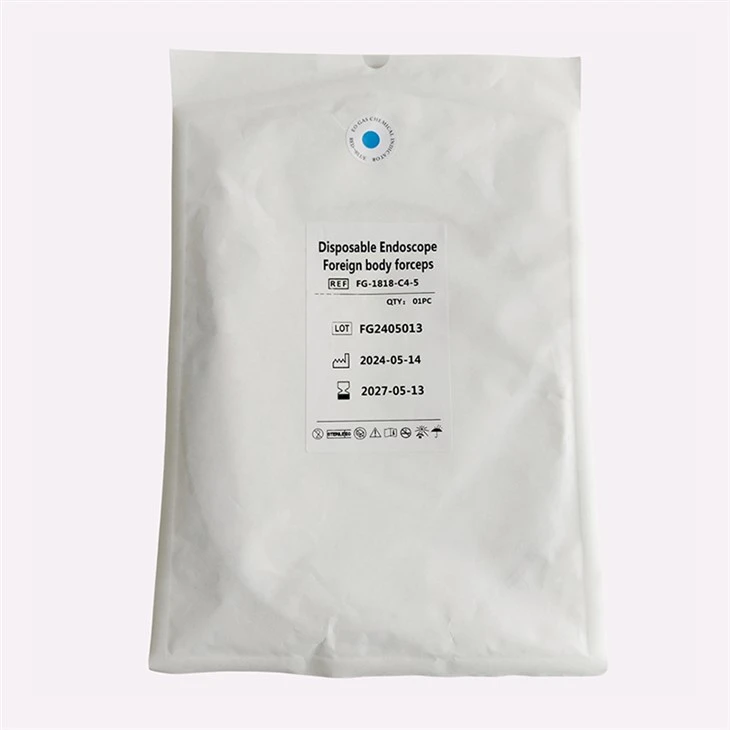
Of course, our Foreign Body Forceps for Endoscopy are our flagship product. We've spent a lot of time and effort in perfecting their design and performance. We offer a wide range of foreign body forceps to meet the diverse needs of our customers. Whether you need forceps for pediatric or adult patients, or for different types of endoscopic procedures, we've got you covered.
If you're in the market for high - quality endoscopic instruments, we'd love to hear from you. We're always happy to discuss your specific requirements and help you find the right products for your practice. Whether you're a hospital, a clinic, or a medical supplier, we can work with you to ensure that you get the best value for your money.
In conclusion, the minimum bending radius of foreign body forceps for endoscopy is a critical factor that can significantly impact the success of endoscopic procedures. By choosing forceps with an appropriate minimum bending radius, doctors can improve patient outcomes and make the procedures more efficient. And if you're looking for top - notch endoscopic instruments, including foreign body forceps, don't hesitate to get in touch with us. We're here to provide you with the best products and support in the industry.
References

- Medical Device Technology Handbook: This handbook provides in - depth information on the design and performance of various medical devices, including endoscopic forceps.
- Journal of Endoscopic Surgery: Articles in this journal often discuss the latest advancements in endoscopic procedures and the importance of device specifications like the minimum bending radius.