

In the dynamic field of dental technology, the choice of a dental low-speed handpiece motor is a critical decision that can significantly impact the efficiency and precision of dental procedures. Among the various options available, brushed and brushless motors stand out as two primary choices, each with its unique characteristics and advantages. As a leading supplier of Dental Low Speed Handpiece Motors, I am often asked about the differences between these two types of motors. In this blog post, I will delve into the technical details, performance aspects, and practical implications of brushed and brushless dental low-speed handpiece motors to help you make an informed decision.
Understanding the Basics: Brushed vs. Brushless Motors
To grasp the differences between brushed and brushless motors, it's essential to understand their fundamental operating principles. A brushed motor is the more traditional design, consisting of a stator (the stationary part) and a rotor (the rotating part). The rotor contains a coil of wire, and the stator has permanent magnets. The key component in a brushed motor is the brushes, which are made of conductive material and are in contact with the commutator on the rotor. When an electric current is applied, the brushes transfer the current to the commutator, which then distributes it to the rotor coils. This creates a magnetic field that interacts with the stator's magnetic field, causing the rotor to rotate.
On the other hand, a brushless motor operates on a different principle. Instead of using brushes and a commutator, it uses an electronic controller to switch the current in the stator windings. The stator windings are arranged in a specific pattern, and the electronic controller determines the sequence in which the current is applied to these windings. This creates a rotating magnetic field that drives the rotor, which typically contains permanent magnets.
Performance and Efficiency
One of the most significant differences between brushed and brushless motors lies in their performance and efficiency. Brushed motors have been around for a long time and are well-understood technology. They are relatively simple in design, which makes them cost-effective to manufacture. However, this simplicity also comes with some drawbacks. The brushes in a brushed motor experience wear and tear over time due to the friction between the brushes and the commutator. This can lead to a decrease in performance and eventually require the replacement of the brushes. Additionally, the brushes can create electrical noise and generate sparks, which can be a concern in some dental environments.
In contrast, brushless motors offer several performance advantages. Since they do not have brushes, there is no mechanical wear and tear, resulting in a longer lifespan. The electronic controller in a brushless motor can also provide more precise control over the motor's speed and torque, allowing for smoother and more efficient operation. This can be particularly beneficial in dental procedures that require high precision, such as root canal treatments or fine restorative work. Brushless motors are also more energy-efficient than brushed motors, which can lead to cost savings over time.
Maintenance and Durability
Maintenance is another important factor to consider when choosing between a brushed and a brushless dental low-speed handpiece motor. As mentioned earlier, brushed motors require regular maintenance due to the wear and tear of the brushes. This can involve replacing the brushes periodically, which can be a time-consuming and costly process. In addition, the commutator in a brushed motor can also become worn or damaged over time, requiring further maintenance or replacement.
Brushless motors, on the other hand, are virtually maintenance-free. Since they do not have brushes or a commutator, there are no components that need to be replaced due to wear. This can save dental professionals a significant amount of time and money in the long run. Additionally, the lack of brushes and commutator means that brushless motors are less prone to mechanical failures, resulting in greater reliability and durability.
Noise and Vibration
Noise and vibration are important considerations in the dental environment, as they can affect both the patient's comfort and the dentist's ability to perform procedures accurately. Brushed motors tend to produce more noise and vibration than brushless motors. The friction between the brushes and the commutator, as well as the electrical arcing that occurs, can create a significant amount of noise. This can be distracting for both the dentist and the patient, and in some cases, it may even require the use of additional noise-reducing measures.
Brushless motors, on the other hand, operate much more quietly and smoothly. The electronic controller in a brushless motor can precisely control the current flow, resulting in a more balanced and stable operation. This reduces both noise and vibration, providing a more comfortable experience for the patient and allowing the dentist to work more effectively.
Application and Compatibility
The choice between a brushed and a brushless dental low-speed handpiece motor also depends on the specific application and compatibility with other dental equipment. Brushed motors are still widely used in many dental handpieces, particularly in older models. They are suitable for a variety of general dental procedures, such as polishing, prophylaxis, and some basic restorative work. However, for more advanced procedures that require high precision and control, such as endodontics or microsurgery, brushless motors are often the preferred choice.
When considering compatibility, it's important to ensure that the motor is compatible with the handpiece and other dental equipment. Some dental handpieces are designed specifically for use with either brushed or brushless motors, so it's essential to check the manufacturer's specifications before making a purchase. Additionally, the power supply and control system of the dental unit must be compatible with the motor to ensure proper operation.
Conclusion
In conclusion, the choice between a brushed and a brushless dental low-speed handpiece motor depends on several factors, including performance, efficiency, maintenance, noise, and application. Brushed motors are a cost-effective option for general dental procedures, but they require regular maintenance and can produce more noise and vibration. Brushless motors, on the other hand, offer superior performance, longer lifespan, and lower maintenance requirements, making them a better choice for more advanced and precise dental procedures.
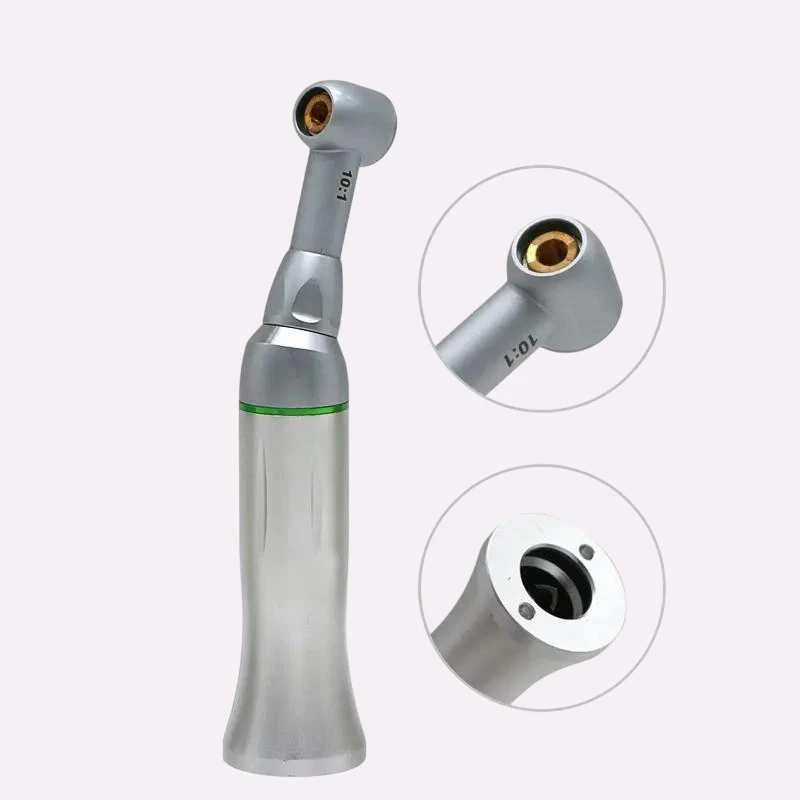

As a supplier of Dental Low Speed Handpiece Motors, we offer a wide range of both brushed and brushless motors to meet the diverse needs of dental professionals. Our Internal Series Dental Handpiece, Dental Equipment Increasing Contra Angle Handpiece, and Root Canal Treatment Reduction Dental Handpiece are all available with either brushed or brushless motor options, allowing you to choose the one that best suits your needs.
If you are interested in learning more about our Dental Low Speed Handpiece Motors or would like to discuss your specific requirements, please feel free to contact us. Our team of experts is always available to provide you with the information and support you need to make the right choice for your dental practice.
References
- Miller, C. A., & Palenik, C. J. (2018). Dental Materials: Art, Science, and Clinical Practice. Elsevier Health Sciences.
- Powers, J. M., & Sakaguchi, R. L. (2017). Craig's Restorative Dental Materials. Elsevier.
- Walton, R. E., & Torabinejad, M. (2015). Principles and Practice of Endodontics. Elsevier.