

Medical surgical staplers are essential tools in modern surgical procedures, offering precision, efficiency, and reliability. As a leading supplier of medical surgical staplers, I am often asked about the materials used in these critical devices. In this blog post, I will delve into the various materials employed in medical surgical staplers, exploring their properties, advantages, and applications.
Stainless Steel
Stainless steel is one of the most commonly used materials in medical surgical staplers. Renowned for its exceptional strength, durability, and corrosion resistance, stainless steel provides a reliable foundation for these devices. It can withstand the rigors of repeated sterilization processes without compromising its structural integrity, ensuring the stapler remains safe and effective for multiple uses.
The high strength of stainless steel allows for the design of staplers with fine-tipped jaws, enabling precise tissue manipulation and suturing. This is particularly crucial in delicate surgical procedures where accuracy is paramount. Additionally, stainless steel's biocompatibility makes it suitable for use in contact with human tissue, minimizing the risk of adverse reactions.
In our product line, many of our staplers feature stainless steel components, such as the staple cartridges and the outer housing. For example, our Disposable Medical Surgery Linear Cutter Stapler utilizes high-quality stainless steel in its construction, ensuring reliable performance and long-lasting durability.
Titanium
Titanium is another popular material in the manufacturing of medical surgical staplers. With its excellent strength-to-weight ratio, titanium offers a lightweight alternative to stainless steel while maintaining comparable levels of strength and durability. This makes titanium staplers easier to handle during surgery, reducing fatigue for the surgeon.
Titanium is also highly corrosion-resistant and biocompatible, making it an ideal choice for use in the human body. It has a low risk of causing allergic reactions, making it suitable for patients with sensitive skin or allergies. Additionally, titanium's radiolucent properties allow for better visualization during imaging procedures, such as X-rays and CT scans.
Our New Design Surgery Medical Disposable Trocar incorporates titanium components in its design, providing a lightweight and reliable solution for minimally invasive surgical procedures. The use of titanium in this product enhances its performance and patient safety.
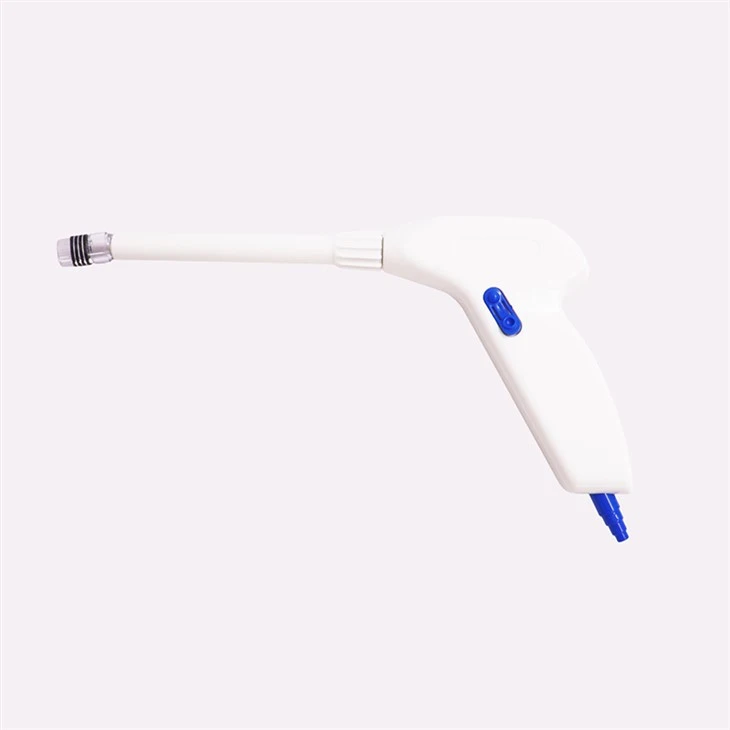

Plastics
Plastics play a crucial role in the construction of medical surgical staplers, offering a range of benefits such as flexibility, affordability, and ease of manufacturing. Polycarbonate, polypropylene, and polyethylene are some of the commonly used plastics in stapler design.
Polycarbonate is a strong and transparent plastic that is often used for the staple cartridges and the clear viewing windows on the stapler. Its transparency allows the surgeon to visually confirm the proper placement of the staples, enhancing accuracy during the procedure. Polycarbonate is also resistant to impact and chemicals, ensuring the integrity of the stapler during use.
Polypropylene and polyethylene are lightweight and flexible plastics that are commonly used for the outer housing and the handle of the stapler. These plastics provide a comfortable grip for the surgeon, reducing hand fatigue during long surgical procedures. They are also easy to clean and sterilize, making them suitable for repeated use.
In our Disposable Medical Hemorrhoid Multi-band Ligature with Anoscope, plastics are used in the construction of the anoscope and the ligature device. The use of plastics in this product makes it lightweight, easy to handle, and cost-effective.
Other Materials
In addition to stainless steel, titanium, and plastics, other materials may also be used in the manufacturing of medical surgical staplers. For example, some staplers may incorporate rubber or silicone components to provide a better grip or to cushion the impact during stapling. These materials can enhance the comfort and usability of the stapler for the surgeon.
Ceramics may also be used in certain applications, such as the cutting blades of the stapler. Ceramics offer excellent sharpness and durability, allowing for clean and precise cuts during surgery. However, ceramics are more brittle than metals and plastics, and they require careful handling to prevent breakage.
Conclusion
The materials used in medical surgical staplers are carefully selected to ensure the safety, reliability, and performance of these critical devices. Stainless steel, titanium, plastics, and other materials each offer unique properties and advantages that make them suitable for different components of the stapler.
As a supplier of medical surgical staplers, we are committed to using the highest quality materials in our products. Our Disposable Medical Hemorrhoid Multi-band Ligature with Anoscope, New Design Surgery Medical Disposable Trocar, and Disposable Medical Surgery Linear Cutter Stapler are all designed and manufactured to meet the strictest standards of quality and safety.
If you are interested in learning more about our medical surgical staplers or would like to discuss your specific procurement needs, please do not hesitate to contact us. We look forward to the opportunity to serve you and to provide you with the best surgical stapling solutions.
References
- "Materials Science in Medicine" by J. Black and G. Hastings
- "Medical Device Materials and Their Applications" by A. G. Craig and C. R. Newton
- "Surgical Stapling Devices: Principles and Practice" by M. J. Stassen and J. R. Mayberry