

Hey there! As a supplier of Foreign Body Forceps For Endoscopy, I've seen firsthand how crucial it is to keep these instruments clean. Not only does proper cleaning ensure their longevity, but it also plays a vital role in patient safety. In this blog post, I'm going to share some effective cleaning methods for foreign body forceps for endoscopy.
Why Cleaning is So Important
Before we dive into the cleaning methods, let's talk about why cleaning foreign body forceps is so important. These forceps are used in endoscopy procedures to remove foreign objects from the body. During these procedures, they come into contact with various bodily fluids, tissues, and debris. If not cleaned properly, these contaminants can harbor bacteria and other pathogens, which can lead to infections in subsequent patients.
Moreover, failure to clean the forceps can also affect their performance. Residue buildup can cause the forceps to become stiff, reducing their ability to grasp and manipulate objects effectively. This can make the endoscopy procedure more difficult and potentially dangerous for the patient.
Pre - Cleaning Steps
The first step in cleaning foreign body forceps for endoscopy is to perform pre - cleaning as soon as possible after use. This helps to prevent the drying of blood, mucus, and other debris, which can be much harder to remove later.
- Immediate Rinse: As soon as the forceps are removed from the patient, rinse them under running water. Use lukewarm water to avoid damaging the instrument. This initial rinse will remove the majority of the loose debris.
- Visual Inspection: After rinsing, visually inspect the forceps for any visible debris or damage. Check the tips of the forceps to ensure they are not bent or damaged, as this can affect their functionality. If you notice any damage, mark the instrument for repair or replacement.
Manual Cleaning
Manual cleaning is an essential part of the cleaning process for foreign body forceps. It allows you to reach all the nooks and crannies of the instrument.
- Use a Soft - Bristled Brush: Select a soft - bristled brush that is specifically designed for cleaning medical instruments. Gently brush the entire surface of the forceps, including the jaws, hinges, and shaft. Pay special attention to the areas where debris is likely to accumulate, such as the tips of the jaws.
- Cleaning Solution: Immerse the forceps in a suitable cleaning solution. There are many commercially available enzymatic cleaners that are designed to break down organic matter. Follow the manufacturer's instructions for diluting the cleaner and soaking the forceps. Usually, a 5 - 10 minute soak is sufficient.
- Rinse Thoroughly: After soaking, rinse the forceps thoroughly under running water to remove all traces of the cleaning solution and debris. Make sure to rinse all the internal channels if the forceps have any.
Ultrasonic Cleaning
Ultrasonic cleaning can be a great addition to the manual cleaning process. It uses high - frequency sound waves to create tiny bubbles in a cleaning solution. These bubbles implode, creating a scrubbing action that can remove stubborn debris from the forceps.
- Prepare the Ultrasonic Cleaner: Fill the ultrasonic cleaner with the appropriate cleaning solution. Make sure the solution level is sufficient to cover the forceps completely.
- Place the Forceps: Carefully place the forceps in the ultrasonic cleaner. Avoid overcrowding the cleaner, as this can reduce the effectiveness of the cleaning.
- Run the Cleaner: Set the ultrasonic cleaner to the appropriate time and power setting according to the manufacturer's instructions. Usually, a 5 - 10 minute cycle is enough.
- Rinse Again: After the ultrasonic cleaning cycle is complete, remove the forceps from the cleaner and rinse them thoroughly under running water.
Disinfection and Sterilization
After cleaning, the foreign body forceps need to be disinfected and sterilized to ensure they are safe for reuse.
- Disinfection: There are several methods of disinfection, including chemical disinfection and heat disinfection. Chemical disinfectants such as glutaraldehyde or peracetic acid can be used. Immerse the forceps in the disinfectant for the recommended time, usually 20 - 30 minutes.
- Sterilization: Sterilization is the process of killing all forms of microbial life. Autoclaving is a common method of sterilizing medical instruments. Place the forceps in a suitable autoclave bag and run them through a standard autoclave cycle. Make sure to follow the autoclave manufacturer's instructions for proper loading and cycling.
Drying
Proper drying is crucial to prevent the growth of bacteria and corrosion of the forceps.
- Use a Lint - Free Cloth: After disinfection and sterilization, gently pat the forceps dry with a lint - free cloth. Make sure to dry all the surfaces, including the internal channels.
- Air Drying: Place the forceps in a well - ventilated area to air dry completely. Avoid storing the forceps while they are still damp.
Storage
Once the forceps are clean, dry, and sterilized, they need to be stored properly.
- Use a Sterile Container: Place the forceps in a sterile container or pouch to protect them from contamination.
- Store in a Clean Environment: Store the container in a clean, dry, and dust - free environment. Avoid storing the forceps near chemicals or other substances that could damage them.
Other Related Products
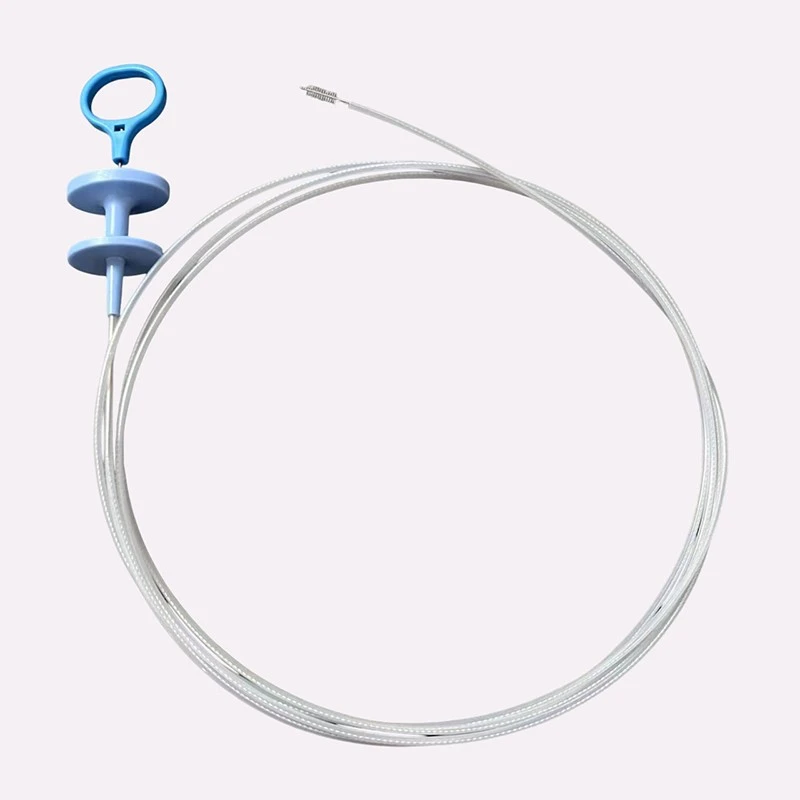
If you're in the endoscopy field, you might also be interested in some of our other products. We offer Disposable Endoscopic Injection Needle which are great for precise injection during endoscopy procedures. And our Endoscopic Cytology Brush is an essential tool for collecting cell samples. Of course, our Foreign Body Forceps for Endoscopy are top - notch and have been trusted by many medical professionals.
Conclusion
Proper cleaning of foreign body forceps for endoscopy is a multi - step process that requires attention to detail. By following these cleaning methods, you can ensure the safety and effectiveness of the forceps, which in turn contributes to better patient outcomes.

If you're interested in purchasing high - quality foreign body forceps for endoscopy or any of our other products, feel free to reach out for a purchase negotiation. We're always happy to work with you to meet your medical supply needs.
References
- Rutala WA, Weber DJ. Guideline for Disinfection and Sterilization in Healthcare Facilities, 2008.
- Association for the Advancement of Medical Instrumentation (AAMI). ST79: Comprehensive guide to steam sterilization and sterility assurance in health care facilities.