

Is it necessary to disassemble low speed handpieces for cleaning?
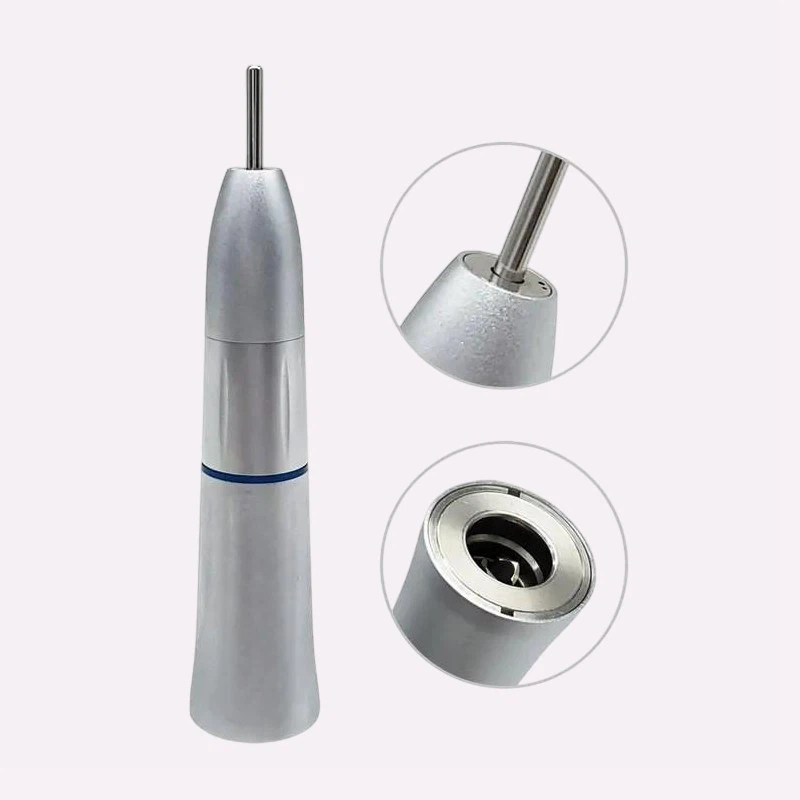
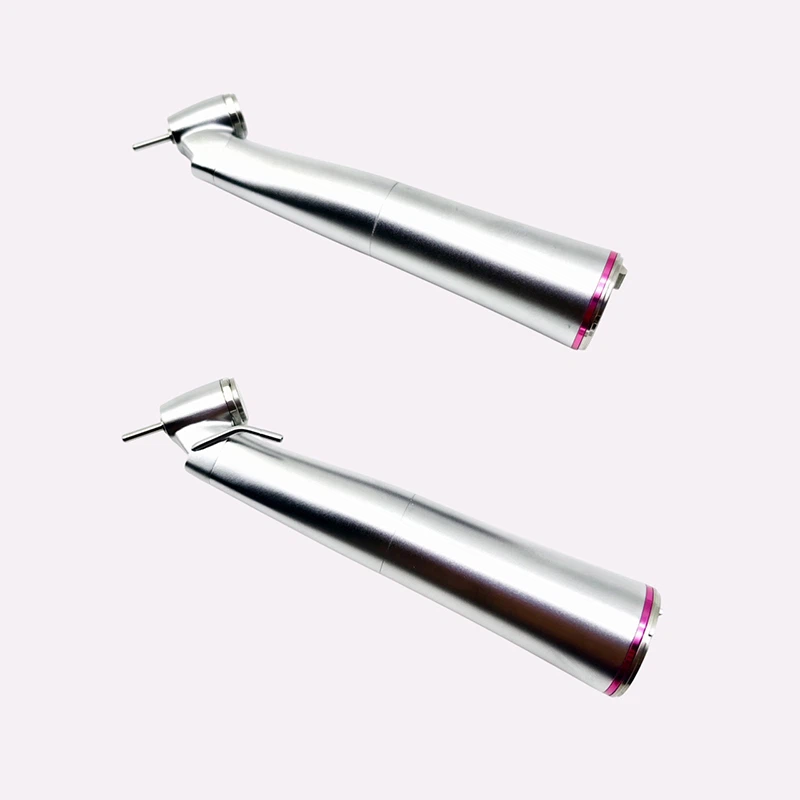
As a supplier of low speed handpieces, I often encounter questions from dental professionals regarding the proper maintenance and cleaning of these essential dental tools. One of the most debated topics in this area is whether it is necessary to disassemble low speed handpieces for cleaning. In this blog post, I will delve into this question, exploring the scientific rationale behind both sides of the argument and providing practical insights based on my experience in the industry.
The Case for Disassembly
Proponents of disassembling low speed handpieces for cleaning argue that it is the most effective way to ensure thorough removal of debris, biofilm, and contaminants. During normal use, low speed handpieces accumulate a variety of substances, including dental materials, saliva, blood, and microorganisms. These contaminants can adhere to the internal components of the handpiece, such as the gears, bearings, and turbine, potentially causing damage and reducing the lifespan of the instrument.
By disassembling the handpiece, dental professionals can access all the internal parts and clean them individually. This allows for a more detailed and comprehensive cleaning process, ensuring that no areas are overlooked. Specialized cleaning solutions and brushes can be used to remove stubborn debris and biofilm, while ultrasonic cleaners can be employed to further enhance the cleaning efficiency. Additionally, disassembling the handpiece provides an opportunity to inspect the internal components for signs of wear, damage, or malfunction, allowing for timely repairs or replacements.
Another advantage of disassembling low speed handpieces for cleaning is that it helps to prevent cross-contamination. In a dental setting, handpieces are used on multiple patients, and if not properly cleaned, they can transmit infectious agents from one patient to another. By disassembling and thoroughly cleaning the handpiece between each patient, the risk of cross-contamination is significantly reduced, ensuring the safety and well-being of both patients and dental staff.
The Case Against Disassembly
On the other hand, some dental professionals argue that disassembling low speed handpieces for cleaning is not necessary and may even cause more harm than good. They contend that modern low speed handpieces are designed to be sealed and lubricated, and disassembling them can disrupt the delicate balance of these components, leading to performance issues and premature wear. Additionally, disassembling the handpiece requires specialized tools and training, and if not done correctly, it can cause damage to the instrument, resulting in costly repairs or replacements.
Furthermore, some manufacturers provide specific cleaning instructions for their low speed handpieces, which may not involve disassembly. These instructions typically recommend using a combination of external cleaning methods, such as wiping the handpiece with a disinfectant wipe and flushing the internal channels with a cleaning solution, followed by lubrication and sterilization. By following these manufacturer-recommended cleaning procedures, dental professionals can effectively clean and maintain the handpiece without the need for disassembly.
Finding the Right Balance
In my experience, the decision of whether to disassemble low speed handpieces for cleaning depends on several factors, including the type of handpiece, the frequency of use, and the specific cleaning requirements. While disassembly can provide a more thorough cleaning and inspection of the internal components, it is not always necessary or practical. In many cases, following the manufacturer's recommended cleaning procedures can effectively maintain the performance and longevity of the handpiece.
However, there are certain situations where disassembly may be warranted. For example, if the handpiece has been exposed to heavy contamination or if there are signs of malfunction, disassembling the handpiece for cleaning and inspection may be necessary. Additionally, some dental practices may have specific infection control protocols that require disassembly of the handpiece for cleaning between each patient.
Practical Tips for Cleaning Low Speed Handpieces
Regardless of whether you choose to disassemble your low speed handpieces for cleaning, there are several practical tips that can help you maintain the performance and longevity of these instruments:
- Follow the manufacturer's instructions: Always refer to the manufacturer's cleaning and maintenance instructions for your specific low speed handpiece. These instructions will provide you with the most accurate and up-to-date information on how to clean and care for your handpiece.
- Use the right cleaning products: Use only cleaning products that are specifically designed for dental handpieces. Avoid using harsh chemicals or abrasive cleaners, as these can damage the handpiece.
- Clean the handpiece regularly: Establish a regular cleaning schedule for your low speed handpieces. This will help to prevent the buildup of debris and contaminants, ensuring the optimal performance of the instrument.
- Flush the internal channels: After each use, flush the internal channels of the handpiece with a cleaning solution to remove any debris or contaminants. This will help to prevent blockages and ensure the proper flow of air and water through the handpiece.
- Lubricate the handpiece: After cleaning, lubricate the handpiece according to the manufacturer's instructions. This will help to reduce friction and wear on the internal components, ensuring the smooth operation of the handpiece.
- Sterilize the handpiece: After cleaning and lubrication, sterilize the handpiece using a validated sterilization method. This will help to eliminate any remaining microorganisms, ensuring the safety and effectiveness of the handpiece.
Conclusion
In conclusion, the question of whether to disassemble low speed handpieces for cleaning is a complex one that requires careful consideration. While disassembly can provide a more thorough cleaning and inspection of the internal components, it is not always necessary or practical. By following the manufacturer's recommended cleaning procedures and implementing a regular cleaning and maintenance schedule, dental professionals can effectively clean and maintain their low speed handpieces, ensuring the optimal performance and longevity of these essential dental tools.
If you have any further questions or need more information about cleaning and maintaining low speed handpieces, please do not hesitate to contact us. We are a leading supplier of Dental Equipment Increasing Contra Angle Handpiece, Internal Series Dental Handpiece, and Electric slow speed handpiece, and we are committed to providing our customers with the highest quality products and services. We would be happy to assist you with your dental equipment needs and help you find the right solutions for your practice.
References
- American Dental Association. (2019). Infection Prevention and Control in Dental Settings: Summary of Infection Prevention Practices for Dental Health-Care Personnel. Journal of the American Dental Association, 150(1), e1-e12.
- Centers for Disease Control and Prevention. (2003). Guidelines for Infection Control in Dental Health-Care Settings - 2003. Morbidity and Mortality Weekly Report, 52(RR-17), 1-61.
- International Organization for Standardization. (2012). ISO 7494:2012 Dental handpieces - Part 1: General requirements and test methods. Geneva, Switzerland: ISO.