

Hey there! As a supplier of Endoscopic Stone Removal Baskets, I've seen firsthand how crucial it is to maintain these nifty tools. A well - maintained basket not only lasts longer but also performs better, which is a win - win for both medical professionals and patients. So, let's dive into how to keep your endoscopic stone removal basket in tip - top shape.
Pre - use Inspection
Before you even think about using the basket, a thorough pre - use inspection is a must. You'd be surprised how many issues can be caught early on with a simple look - over. Start by checking the basket's wires. Make sure there are no signs of fraying or breakage. Frayed wires can not only affect the basket's ability to capture stones but also pose a risk of injury to the patient.
Next, examine the handle. It should be firmly attached to the shaft, and all the moving parts should operate smoothly. If you notice any looseness or stiffness, it's a red flag. You don't want to be in the middle of a procedure and have the handle malfunction.
Also, take a close look at the basket's opening and closing mechanism. It should open and close evenly and without any resistance. If it's struggling to open fully or close tightly, it might need some attention before use.
Cleaning After Use
Once the procedure is done, cleaning the endoscopic stone removal basket is the next step. First off, you need to remove any visible debris. Use a soft brush to gently scrub away any blood, tissue, or stone fragments that might be stuck to the basket. Make sure to get into all the nooks and crannies, especially between the wires.
After brushing, it's time for a proper wash. Use a mild, non - abrasive detergent and warm water. Soak the basket in the soapy water for a few minutes, then rinse it thoroughly under running water. This helps to remove any remaining dirt and detergent residue.
Don't forget about the inside of the shaft. Use a syringe to flush it out with clean water. This ensures that there are no blockages or debris trapped inside.
Disinfection and Sterilization
Cleaning is just the first part; disinfection and sterilization are equally important. There are different methods for this, and the choice depends on your facility's protocols. One common method is using a chemical disinfectant. Make sure to follow the manufacturer's instructions carefully when using any disinfectant.
Another option is autoclaving. If your basket is heat - resistant, autoclaving can be a great way to ensure it's completely sterile. However, not all baskets can withstand the high temperatures of an autoclave, so check the product specifications first.
For some baskets, low - temperature sterilization methods like ethylene oxide gas sterilization might be more appropriate. This method is effective at killing a wide range of microorganisms without subjecting the basket to high heat.
Storage
Proper storage is often overlooked but can make a big difference in the lifespan of your endoscopic stone removal basket. After cleaning and sterilization, dry the basket thoroughly. You can use a clean, lint - free cloth to pat it dry or let it air dry in a clean environment.
Once dry, store the basket in a clean, dry place. Avoid storing it in a damp or dirty area, as this can lead to corrosion and damage. You might also want to consider using a dedicated storage case to protect the basket from dust and physical damage.
Keep the basket away from sharp objects that could puncture or damage it. And make sure it's stored in a way that doesn't put any unnecessary stress on the wires or the opening and closing mechanism.
Regular Maintenance Checks
In addition to the pre - use and post - use checks, regular maintenance checks are essential. Set a schedule for these checks, whether it's weekly, monthly, or quarterly, depending on how often the basket is used.
During these checks, you can perform a more in - depth inspection. Check the integrity of the wires, the smoothness of the moving parts, and the overall functionality of the basket. You can also test the basket's opening and closing mechanism to make sure it's still working properly.
If you notice any signs of wear and tear during these checks, it might be time to replace the basket or have it repaired. Don't wait until it fails during a procedure.
Troubleshooting Common Issues
Even with proper maintenance, you might run into some common issues with the endoscopic stone removal basket. One of the most common problems is the basket getting stuck. This can happen if a stone is too large or if there's debris blocking the mechanism.
If the basket gets stuck, don't try to force it. First, try flushing it with water to see if that dislodges the blockage. If that doesn't work, you might need to use a specialized tool to carefully remove the obstruction.
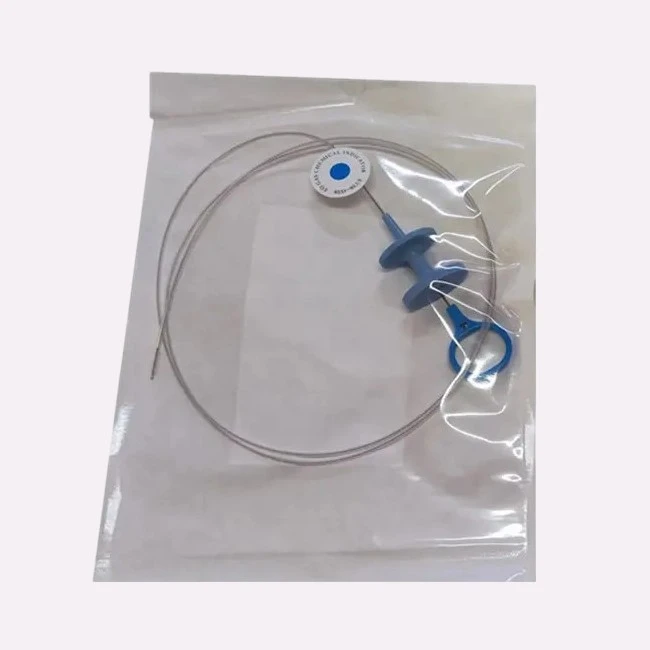
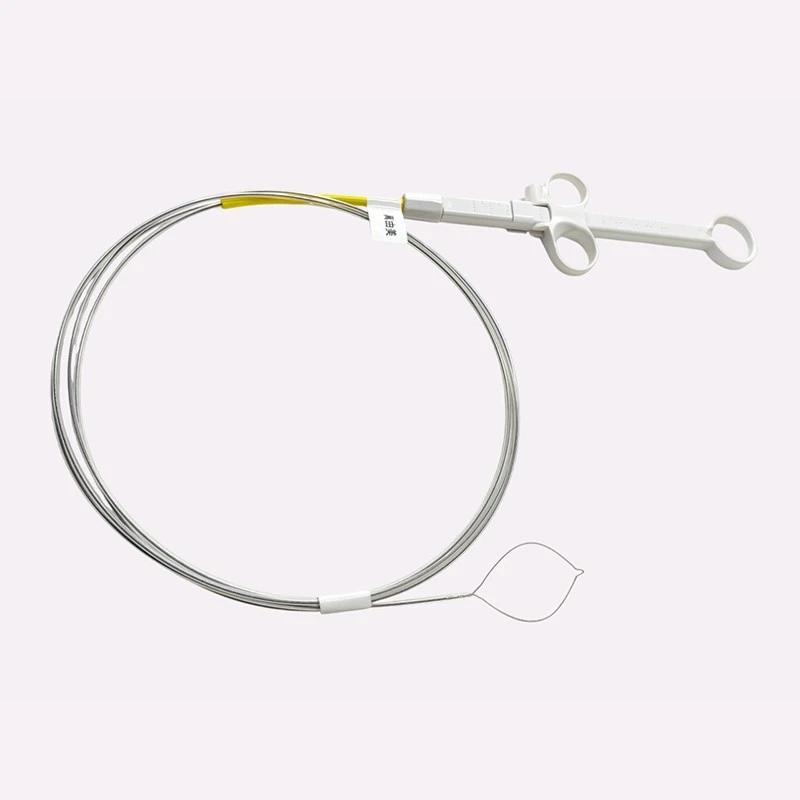
Another issue is the wires breaking. If you notice a broken wire, stop using the basket immediately. A broken wire can cause injury to the patient and also affect the basket's performance. Contact your supplier for a replacement or repair.
Complementary Products
If you're in the market for other endoscopic treatment products, we've got you covered. Check out our Endoscopic Snare Polypectomy and Disposable Medical Surgery Hot Biopsy Forceps. These products are designed to work seamlessly with your endoscopic stone removal basket and can enhance your overall treatment capabilities. And for those who need it, our Endoscopic Cytology Brush is a great addition to your toolkit.
Conclusion
Maintaining an endoscopic stone removal basket is not rocket science, but it does require some attention to detail. By following these steps for pre - use inspection, cleaning, disinfection, storage, and regular maintenance checks, you can ensure that your basket stays in great condition and performs at its best.
If you're interested in purchasing high - quality endoscopic stone removal baskets or any of our other products, don't hesitate to reach out. We're here to provide you with the best products and support for your medical needs. Let's work together to make your procedures as smooth and successful as possible.
References
- Manufacturer's instructions for Endoscopic Stone Removal Baskets
- Medical device maintenance guidelines from relevant healthcare organizations