

As a supplier of Dental Low Speed Handpiece Motors, I've witnessed firsthand the critical role that air flow plays in the functionality of these essential dental tools. In this blog post, I'll delve into how the air flow within a dental low speed handpiece motor affects its function, exploring the scientific principles at work and the practical implications for dental professionals.
The Basics of Air Flow in Dental Low Speed Handpiece Motors
Dental low speed handpiece motors rely on air flow to operate. Compressed air is introduced into the motor, where it drives a turbine or a gear system. The air flow is carefully regulated to control the speed and torque of the handpiece, allowing dentists to perform a variety of procedures with precision.
The air flow within the handpiece motor can be divided into two main components: the driving air flow and the cooling air flow. The driving air flow is responsible for powering the motor, while the cooling air flow helps to dissipate heat generated during operation.

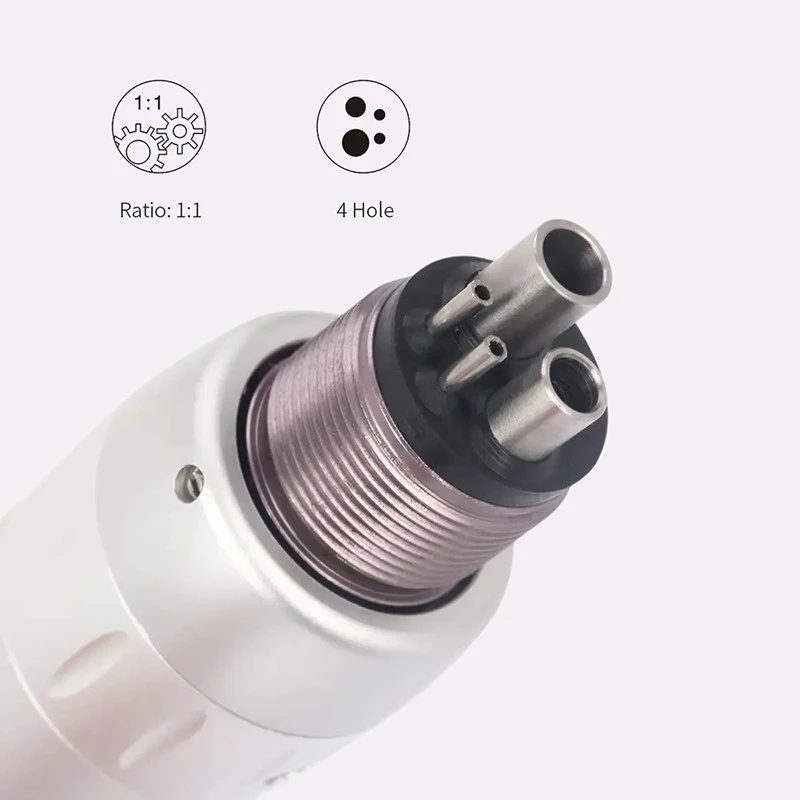
The Driving Air Flow and Its Impact on Function
The driving air flow is the primary force that powers the dental low speed handpiece motor. When compressed air is introduced into the motor, it creates a pressure differential that causes the turbine or gear system to rotate. The speed and torque of the handpiece are directly related to the volume and pressure of the driving air flow.
- Speed Control: By adjusting the volume and pressure of the driving air flow, dentists can control the speed of the handpiece. This is crucial for performing different dental procedures, as different tasks require different speeds. For example, during cavity preparation, a higher speed may be required to efficiently remove decay, while a lower speed may be more appropriate for delicate procedures such as polishing.
- Torque Generation: Torque is the rotational force produced by the handpiece. It is essential for performing tasks that require a certain amount of force, such as removing tough dental materials or performing root canal treatments. The driving air flow plays a key role in generating torque, as a higher pressure and volume of air can result in greater rotational force.
However, it's important to note that excessive air flow can also have negative effects on the handpiece. If the air flow is too high, it can cause the handpiece to overheat, leading to premature wear and damage to the motor. Additionally, high air flow can create excessive noise and vibration, which can be uncomfortable for both the dentist and the patient.
The Cooling Air Flow and Its Importance
In addition to the driving air flow, dental low speed handpiece motors also rely on a cooling air flow to prevent overheating. During operation, the motor generates heat due to friction and the compression of air. If this heat is not dissipated effectively, it can cause the motor to malfunction and reduce its lifespan.
The cooling air flow is typically provided by a separate air channel within the handpiece. This air flow passes over the motor components, carrying away heat and keeping the temperature within a safe operating range.
- Heat Dissipation: The cooling air flow helps to transfer heat away from the motor, preventing it from reaching critical temperatures. This is especially important during prolonged use, as continuous operation can cause the motor to heat up significantly. By maintaining a proper cooling air flow, the handpiece can operate more efficiently and reliably.
- Component Protection: Overheating can cause damage to the motor components, such as the bearings and gears. By keeping the temperature under control, the cooling air flow helps to protect these components from wear and tear, extending the lifespan of the handpiece.
Factors Affecting Air Flow in Dental Low Speed Handpiece Motors
Several factors can affect the air flow within a dental low speed handpiece motor, including:
- Air Supply Pressure: The pressure of the compressed air supply is a critical factor in determining the air flow within the handpiece. If the supply pressure is too low, the handpiece may not operate at its optimal speed and torque. On the other hand, if the supply pressure is too high, it can cause excessive wear and damage to the motor.
- Air Tubing and Connections: The quality and condition of the air tubing and connections can also affect the air flow. Leaks in the tubing or loose connections can result in a loss of air pressure, reducing the efficiency of the handpiece. Additionally, clogged or dirty air filters can restrict the air flow, causing the handpiece to malfunction.
- Handpiece Design: The design of the handpiece itself can also impact the air flow. A well-designed handpiece will have optimized air channels and ports to ensure efficient air flow and cooling. Additionally, the shape and size of the handpiece can affect the comfort and handling of the tool, which can in turn impact the dentist's ability to control the air flow.
Practical Implications for Dental Professionals
Understanding how air flow affects the function of dental low speed handpiece motors is essential for dental professionals. By ensuring proper air flow, dentists can optimize the performance of their handpieces, improve patient comfort, and extend the lifespan of their equipment.
- Regular Maintenance: Regular maintenance of the handpiece, including cleaning and lubrication, is crucial for maintaining proper air flow. This includes checking the air filters, tubing, and connections for any signs of damage or blockage. Additionally, dentists should follow the manufacturer's recommendations for servicing and replacing parts to ensure the continued performance of the handpiece.
- Proper Use and Handling: Dental professionals should also be trained on the proper use and handling of the handpiece to ensure optimal air flow. This includes using the correct speed and torque settings for each procedure, as well as avoiding excessive force or pressure that can cause damage to the motor.
- Choosing the Right Handpiece: When selecting a dental low speed handpiece, dentists should consider the air flow requirements and capabilities of the tool. Different handpieces may have different air flow characteristics, so it's important to choose a handpiece that is suitable for the specific procedures and needs of the practice.
At our company, we offer a wide range of Dental Low Speed Handpiece Motors, including the Internal Series Dental Handpiece, Low Speed Dental External Series Handpiece, and Root Canal Treatment Reduction Dental Handpiece. Our handpieces are designed with advanced air flow technology to ensure optimal performance, reliability, and patient comfort.
If you're interested in learning more about our Dental Low Speed Handpiece Motors or would like to discuss your specific needs, please don't hesitate to contact us. We're here to help you find the right solution for your dental practice.
References
- Smith, J. D. (2018). Dental Handpiece Technology: Principles and Practice. Elsevier.
- Jones, A. B. (2019). Air Flow Dynamics in Dental Handpieces: A Review. Journal of Dental Research, 98(3), 275-282.
- Brown, C. E. (2020). The Impact of Air Flow on Dental Handpiece Performance. Dental Clinics of North America, 64(1), 123-135.