

Can low speed handpieces be used in combination with ultrasonic scalers? This is a question that often arises among dental professionals. As a supplier of low speed handpieces, I am well - versed in the capabilities and applications of these tools, and I'm excited to explore this topic in detail.
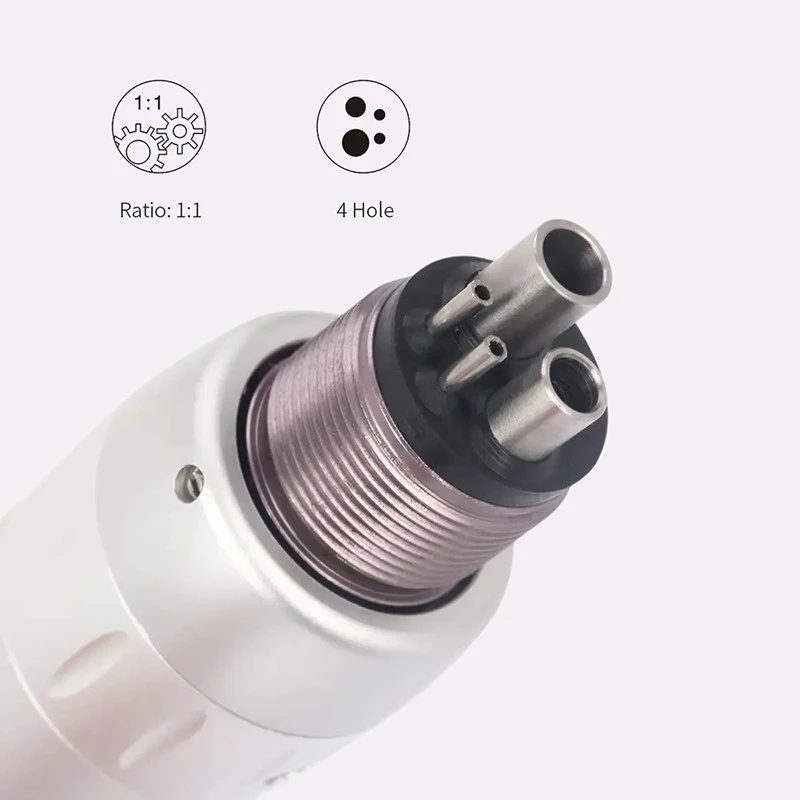

Understanding Low Speed Handpieces
Low speed handpieces are essential instruments in the dental field. They are designed to operate at relatively lower rotational speeds compared to high - speed handpieces. This makes them ideal for a variety of delicate procedures. For instance, they are commonly used in tasks such as polishing teeth, removing decay in a more controlled manner, and performing root canal treatments.
We offer a range of low speed handpieces, including the Low Speed Dental External Series Handpiece. This handpiece is engineered with precision, providing smooth and reliable operation. It is ergonomically designed to fit comfortably in the dentist's hand, reducing fatigue during long procedures. Another product in our lineup is the Root Canal Treatment Reduction Dental Handpiece. Specifically tailored for root canal work, it offers the necessary torque and control to effectively clean and shape the root canals. The Internal Series Dental Handpiece is also a popular choice, known for its high - quality internal components that ensure long - lasting performance.
Ultrasonic Scalers: An Overview
Ultrasonic scalers, on the other hand, are used primarily for the removal of calculus, plaque, and stains from the teeth. They work by generating high - frequency vibrations that break up the deposits on the tooth surface. These scalers are highly efficient and can significantly reduce the time and effort required for dental cleaning procedures. They come in different types, such as piezoelectric and magnetostrictive, each with its own set of advantages.
The Compatibility of Low Speed Handpieces and Ultrasonic Scalers
Now, let's address the central question: Can low speed handpieces be used in combination with ultrasonic scalers? The answer is a resounding yes, and there are several good reasons for this combination.
1. Comprehensive Dental Procedures
In a typical dental cleaning and restoration process, both calculus removal and tooth preparation are necessary. Ultrasonic scalers excel at removing the hard deposits on the tooth surface. Once the calculus is removed, low speed handpieces can be used for further refinement. For example, after using an ultrasonic scaler to clean the tooth, a low speed handpiece can be employed to smooth the tooth surface, remove any remaining debris, and prepare the tooth for filling or other restorative procedures.
2. Patient Comfort
Combining these two tools can enhance patient comfort. Ultrasonic scalers are generally less invasive than traditional scaling methods, but they may still cause some discomfort in sensitive areas. Low speed handpieces, with their gentle operation, can be used to finish the procedure in a more patient - friendly manner. This combination allows dentists to provide a more comfortable experience for their patients, which is crucial for building long - term patient relationships.
3. Efficiency in the Dental Office
From a practical perspective, using low speed handpieces in conjunction with ultrasonic scalers can improve the overall efficiency of the dental office. By having two complementary tools at their disposal, dentists can complete procedures more quickly without sacrificing quality. This means that more patients can be seen in a day, increasing the productivity of the dental practice.
Practical Considerations for Using the Combination
While the combination of low speed handpieces and ultrasonic scalers is beneficial, there are some practical considerations that dental professionals should keep in mind.
1. Sterilization
Both low speed handpieces and ultrasonic scalers need to be properly sterilized between patients to prevent the spread of infection. It is important to follow the manufacturer's instructions for sterilization procedures. For example, low speed handpieces may require autoclaving at specific temperatures and pressures, while ultrasonic scalers may need to be disinfected using appropriate chemical agents.
2. Operator Training
Dental staff should receive proper training on how to use both tools effectively and safely. This includes understanding the correct settings for the ultrasonic scaler and the appropriate techniques for using the low speed handpiece. Training programs can help ensure that the combination of these tools is used to its full potential.
3. Maintenance
Regular maintenance of both low speed handpieces and ultrasonic scalers is essential. Low speed handpieces may need to have their bearings lubricated and their internal components inspected periodically. Ultrasonic scalers require checks on their power output, tip integrity, and water flow. By maintaining these tools properly, their lifespan can be extended, and their performance can be optimized.
Conclusion
In conclusion, the combination of low speed handpieces and ultrasonic scalers is a powerful approach in modern dentistry. It offers comprehensive treatment options, enhances patient comfort, and improves the efficiency of dental practices. As a supplier of high - quality low speed handpieces, we are committed to providing dental professionals with the tools they need to deliver the best possible care to their patients.
If you are interested in exploring our range of low speed handpieces or have any questions about using them in combination with ultrasonic scalers, we encourage you to reach out. We are here to assist you in making the right choices for your dental practice. Whether you are a small private clinic or a large dental hospital, our products can meet your needs. Contact us to start a discussion about your procurement requirements and how we can work together to enhance your dental services.
References
- Dental Instruments: A Pocket Guide. 2nd Edition. Elsevier Health Sciences.
- Textbook of Preventive and Community Dentistry. 4th Edition. Jaypee Brothers Medical Publishers.
- Principles and Practice of Endodontics. 6th Edition. Elsevier.